 blog
How to Use Natural Pest Prevention for Florida Homes
Last Updated: November 7, 2026
Quick Summary
Natural pest prevention for Florida homes means removing the food, water, and shelter pests need so they cannot settle in, rather than killing them after they arrive. It relies on sealing entry points, cleaning, moisture control, and low-toxicity deterrents, because Florida's warm, humid climate keeps pests active most of the year.
- Walk your home and seal door sweeps, window screens, pipe penetrations, attic vents, and garage door gaps.
- Fix leaks and dry damp areas first, since caulking does nothing if wood behind the wall stays wet.
- Empty and scrub standing water weekly, because mosquito eggs stick to container sides and survive a quick rinse.
- Time prevention to weather triggers like the first warm nights above 60°F, not to the calendar month.
- Call a professional when pests return after you have sealed, cleaned, and dried, since the colony is likely hidden.
Table of Contents
- Start With Prevention: Why Florida Homes Attract Pests Year-Round
- Seal Florida Home Entry Points and Control Moisture First
- Plants, Herbs, and Essential Oils That Repel Pests Naturally
- How to Keep Ants Out of a Kitchen Without Spraying
- Natural Ways to Keep Roaches Out of the House
- Natural Mosquito Prevention Around the Home
- Natural Pest Prevention for Florida Homes DIY: A Seasonal Calendar
- When to Call NS Pest Solutions for Eco-Friendly Pest Management
- Frequently Asked Questions
Start With Prevention: Why Florida Homes Attract Pests Year-Round
Natural pest prevention for Florida homes starts with one hard truth: the climate never gives pests a season off. Warm, humid air and near-constant moisture mean ants, roaches, and mosquitoes stay active most of the year. That is why prevention beats spraying every time.
Natural pest prevention is the practice of removing food, water, and shelter so pests cannot settle in, rather than killing them after they arrive. It relies on sealing, cleaning, moisture control, and low-toxicity deterrents.
Here is what most guides get wrong: they hand you a list of sprays and skip the entry work. Spray kills what is there today. Sealing and drying keep the next wave out.
The University of Florida IFAS pest management guidance makes the same point. Habitat removal is the foundation of integrated pest management.
Below, we cover the entry points, plants, and pest-by-pest steps that actually hold up in a humid climate. The strategies below cover the entry points, plants, and pest-by-pest steps that hold up in a humid climate.
Seal Florida Home Entry Points and Control Moisture First
Before you buy a single bottle of repellent, walk your home and close the doors pests use. Most infestations begin at gaps you never notice.
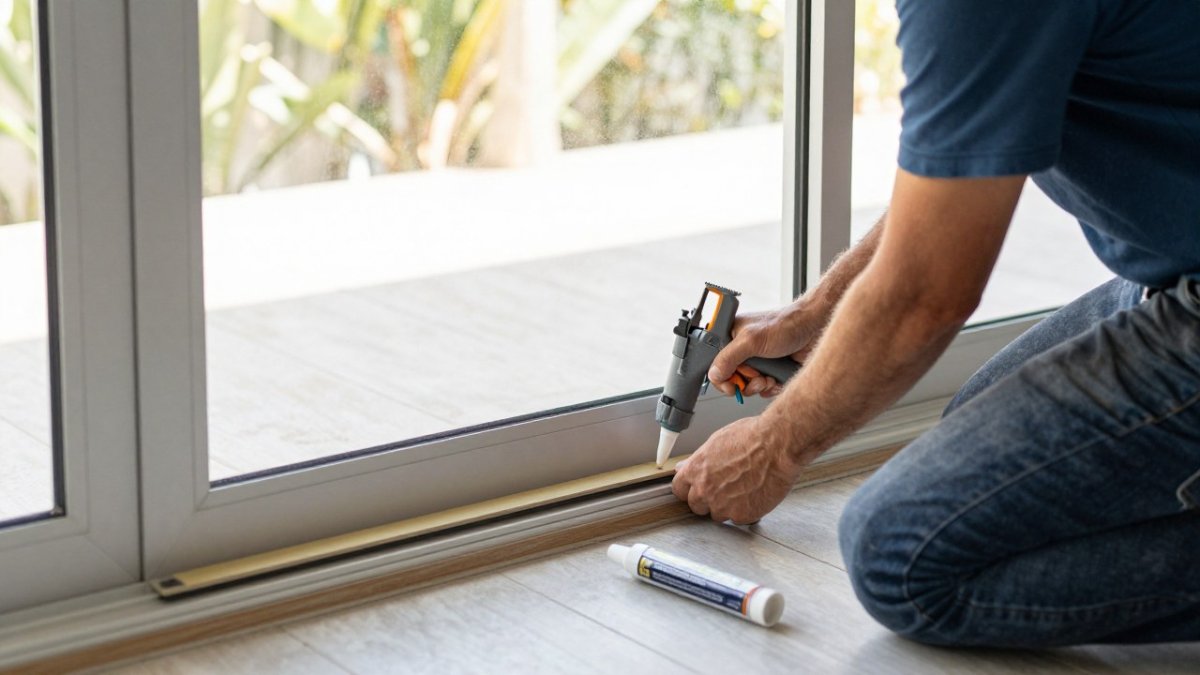
Check these spots first:
- Door sweeps and thresholds on exterior doors
- Window screens with tears or loose frames
- Pipe and cable penetrations under sinks and behind appliances
- Attic and soffit vents without fine mesh
- Garage door corners and gaps at the frame
Moisture is the second half of the job. Roaches and silverfish need damp shelter, so fix the source.
- Repair dripping faucets and slow leaks
- Dry wet areas under sinks and behind the washer
- Clear gutters so water does not pool at the foundation
- Keep mulch a few inches back from the siding
Watch out: caulking a gap does nothing if a leak behind the wall keeps the wood wet. Fix water first, then seal.
Plants, Herbs, and Essential Oils That Repel Pests Naturally
Certain plants and oils can help deter pests, but they work best as a supporting layer, not a cure. Think of them as a fence, not a wall.
Herbs and plants with a strong scent are the most common choices:
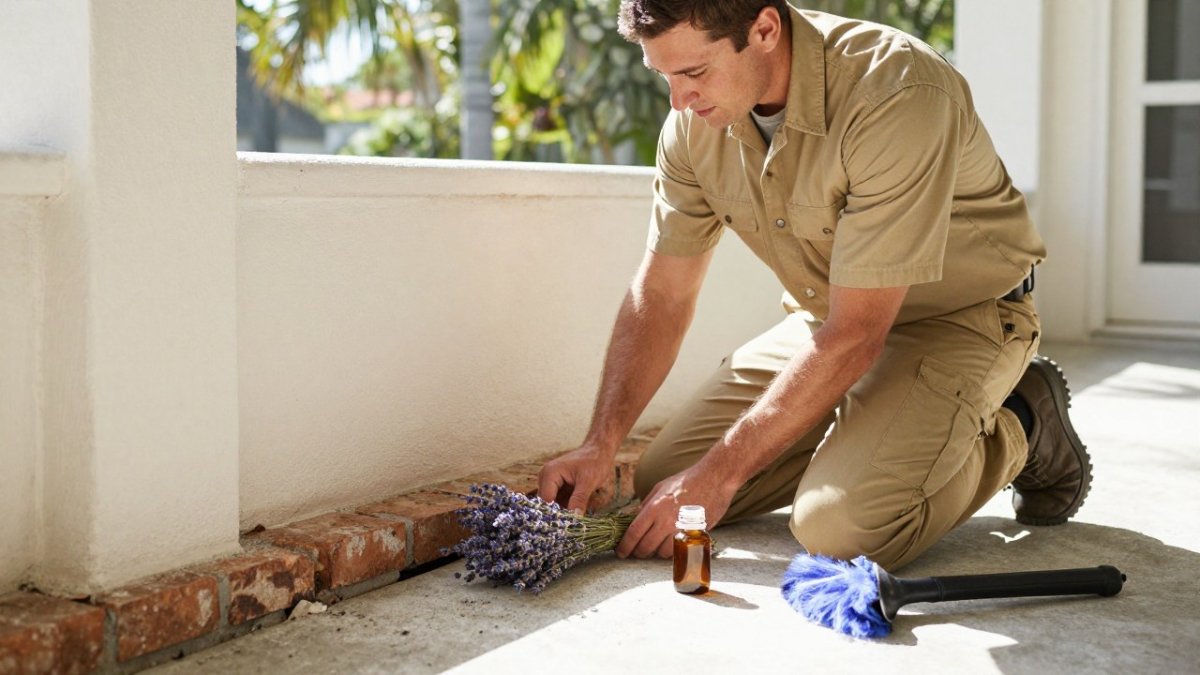
- Lavender near entries and windows
- Rosemary and basil in pots by the door
- Mint in containers so it does not spread
- Marigolds and citronella grass around patios
- Catmint and sage in garden beds
Essential oils work the same way. A few drops of citrus, peppermint, or eucalyptus oil in water make a simple homemade spray for thresholds and baseboards. Reapply often, because the scent fades fast in heat.
What most guides miss is the honesty part. A EPA review of minimum-risk pesticides notes that many plant-based oils are exempt from registration because they pose low risk, not because they are proven to kill pests. Scent deters. It rarely eliminates.
How to Keep Ants Out of a Kitchen Without Spraying
To keep ants out of a kitchen without spraying, remove the trail and the food source. Ants follow scent trails, so cleaning the path matters as much as killing the scouts.
Follow these steps:
- Wipe counters, sinks, and floors with soapy water to break the trail.
- Store cereal, sugar, and pet food in sealed containers.
- Rinse cans and bottles before they go in the bin.
- Fix the dripping tap under the sink.
- Seal cracks along the backsplash and window frame.
- Place a light line of diatomaceous earth along the baseboard.
A common mistake is spraying the visible ants and leaving the trail. The colony sends more within days. Our guide on why ants keep coming back explains how the trail and nest work together.
Natural Ways to Keep Roaches Out of the House
Natural ways to keep roaches out of the house come down to three things: no food, no water, no dark damp shelter. Roaches are survivors, so you have to remove all three at once.
Start with the kitchen and bathroom:
- Wipe crumbs from counters and under appliances
- Fix leaks and dry standing water
- Store food in sealed containers
- Take out trash nightly
- Vacuum behind the fridge and stove
Then cut off shelter. Seal baseboard gaps, pipe openings, and cracks in cabinets. Reduce clutter in closets and the garage.
A borax bait, used carefully and kept away from kids and pets, is a common low-toxicity option for roaches. Place it in cracks, not in the open. Watch out: borax is still a poison. Keep it well out of reach of children and animals.
Natural Mosquito Prevention Around the Home
Natural mosquito prevention around the home means removing standing water first. A mosquito needs only a small amount of water to breed, and a bottle cap can be enough. That single fact is why water removal beats every spray and candle on the market.
Walk your yard weekly and empty, scrub, or cover:
- Plant saucers and drip trays under potted plants
- Birdbaths and pet bowls, refresh every few days
- Clogged gutters and downspouts where water sits
- Tarps, buckets, wheelbarrows, and kiddie pools
- Toys, tires, and garden carts left outside
- AC condensate trays and drain lines
- Tree holes and bamboo stumps that hold water
Scrubbing matters as much as dumping. Mosquito eggs stick to the sides of containers and survive a quick rinse, so a stiff brush once a week does more than a weekly pour-out alone.
For the yard itself, plant citronella grass and keep the lawn trimmed. Fix torn screens and use fans on the patio, since mosquitoes are weak fliers. A fan on low moves enough air to keep them off a seating area.
The CDC guidance on controlling mosquitoes at home is blunt about this: dumping standing water is the single most effective step a homeowner can take. Repellents help. Water removal wins.
Safety around kids, pets, and pollinators. If you use plant-based sprays or oils on the patio, follow the label and apply them when pollinators are not active, typically early morning or evening.
Natural Pest Prevention for Florida Homes DIY: A Seasonal Calendar
A seasonal calendar keeps natural pest prevention for Florida homes DIY workable, but the calendar has to follow the weather, not the page of a magazine. In a humid subtropical climate, pest pressure is driven by rainfall, temperature, and the length of the dry spells between them. Timing your effort to those triggers beats one big spring cleanup.
Here is the rhythm most practitioners follow, with the trigger that should start each phase:
| Season | Weather trigger | Main threat | Focus |
|---|---|---|---|
| Late winter (Feb-Mar) | First warm nights above 60°F | Ants, termites, reproductives | Seal entry points, check moisture, schedule a termite inspection |
| Spring (Apr-May) | Dry spell after spring rain | Ants, roaches, spiders | Caulk gaps, repair screens, clear gutters |
| Early summer (Jun) | First heavy rains | Mosquitoes, roaches | Dump standing water weekly, dry damp areas |
| Late summer (Jul-Sep) | Peak heat and humidity | Roaches, ants, mosquitoes | Deep clean kitchens and baths, refresh deterrents |
| Fall (Oct-Nov) | First cool fronts | Rodents, spiders, overwintering insects | Trim vegetation, seal attic and soffit gaps |
| Winter (Dec-Jan) | Cool, dry nights | Roaches, ants, silverfish | Fix leaks, deep clean, inspect for moisture |
Follow this rhythm:
- Late winter: caulk gaps, check screens, clear gutters, and book a termite inspection before swarm season.
- Spring: trim vegetation back from the walls, seal the attic, and refresh door sweeps.
- Early summer: empty water weekly, keep the kitchen dry, and check the AC condensate line.
- Late summer: deep clean behind appliances, reapply deterrents, and watch for roach activity at night.
- Fall: seal gaps around pipes and vents, store firewood away from the house, and check the garage.
- Winter: repair leaks, deep clean, and inspect for moisture under sinks and behind the washer.
Trimming vegetation away from the house is the step most people skip. Branches and shrubs that touch the walls become bridges for ants and rodents, and they hold moisture against the siding.
Monitoring and when to escalate. Prevention is working when you stop seeing trails, droppings, or live insects indoors for several weeks after a rain. Keep a simple log of what you see and where.
Watch out: a calendar is a guide, not a guarantee. A wet winter or an early warm spell can shift every date in this table, so let what you actually see in your home override the month on the page.
When to Call NS Pest Solutions for Eco-Friendly Pest Management
Some problems outgrow DIY. If pests keep returning after you have sealed, cleaned, and dried, the nest or colony is likely hidden where you cannot reach it.
That is where professional eco-friendly pest management earns its place. NS Pest Solutions is a family-owned and operated team focused on targeted, low-toxicity treatments that are family and pet friendly. Our service plans are available, with targeted interior and exterior treatments.
Still deciding? Read how eco-friendly pest control compares to chemical options, or check whether eco-friendly treatments really work. If safety around little ones and pets is your main worry, our guide on pest control safe for toddlers and dogs walks through what to expect. When you are ready, contact us to ask about eco-friendly pest management for your home.
Pests in a warm, humid climate will always test your defenses. The good news is that sealing, drying, and steady monitoring keep most of them out. When you want that protection handled for you, get started with NS Pest Solutions and keep your home pest-free with family and pet friendly treatments on an every-other-month plan.
Frequently Asked Questions
What repels bugs in Florida naturally?
The most reliable natural repellents combine several layers: sealing entry points, removing standing water, trimming vegetation back from the walls, and using plants such as lavender, rosemary, basil, and citronella grass near doors and patios. Diatomaceous earth works on crawling insects in dry cracks and along baseboards. Essential oils like citrus and mint can deter some pests short-term, but they evaporate quickly and need frequent reapplication. No single remedy handles every Florida pest, so pair prevention with monitoring.
Do natural pest prevention methods actually work for Florida homes?
They work best as prevention, not as rescue. Sealing gaps, fixing moisture, and trimming vegetation genuinely reduce how many pests get inside. Homemade sprays and plant repellents have shorter residual times than professional treatments, so results vary by pest and season. For small ant or mosquito pressure, DIY natural pest prevention for Florida homes often holds up. For roaches, rodents, or recurring infestations, natural methods alone usually fall short and a professional assessment saves time and money.
Are essential oils effective for keeping pests out of the house?
Essential oils can deter some insects in the short term, but they are not a barrier. Citrus, peppermint, and eucalyptus oils lose potency within hours to days, and Florida heat and humidity speed that up. They also need care around pets and small children, since concentrated oils can irritate skin and airways. Use oils as a supplement to physical prevention, not a replacement, and always dilute them and test on a small area first.
When should I call a pest control professional for a home infestation?
Call a professional when you see pests in multiple rooms, find droppings or egg cases, notice damage to wood or wiring, or when DIY natural pest prevention stops working after two to three weeks. Recurring roaches, rodents, and fire ants usually need targeted treatment plus a prevention plan. NS Pest Solutions offers eco-friendly, family- and pet-friendly treatments with every-other-month plans, so you can get an assessment without committing to harsh chemicals.