 how-to
Pest Control Safe for Toddlers and Dogs: 2026 Guide
Table of Contents
- Start With the Label: What 'Safe When Used as Directed' Really Means
- Pesticide Precautions for Children and Pets: Matching the Product to the Risk
- Pest Control Preparation With Children and Pets: A Room-by-Room Checklist
- How Long to Keep Dogs Away After Pest Control
- Nonchemical Pest Control for Homes: What Works Before You Spray
- What to Do After Suspected Exposure to a Pesticide
- When to Call a Professional for Pet- and Child-Conscious Treatment
- Frequently Asked Questions
Last Updated: October 19, 2026
Start With the Label: What 'Safe When Used as Directed' Really Means
Most parents and dog owners read "safe when used as directed" and assume pest control safe means worry-free, then relax.
At NS Pest Solutions, we hear the same worry from families every week: "Will this hurt my toddler or my dog?" The honest answer starts with the label.
Pest control safe for toddlers and dogs begins with three label checks:
- Active ingredient and concentration. This tells you how toxic the product is and to what.
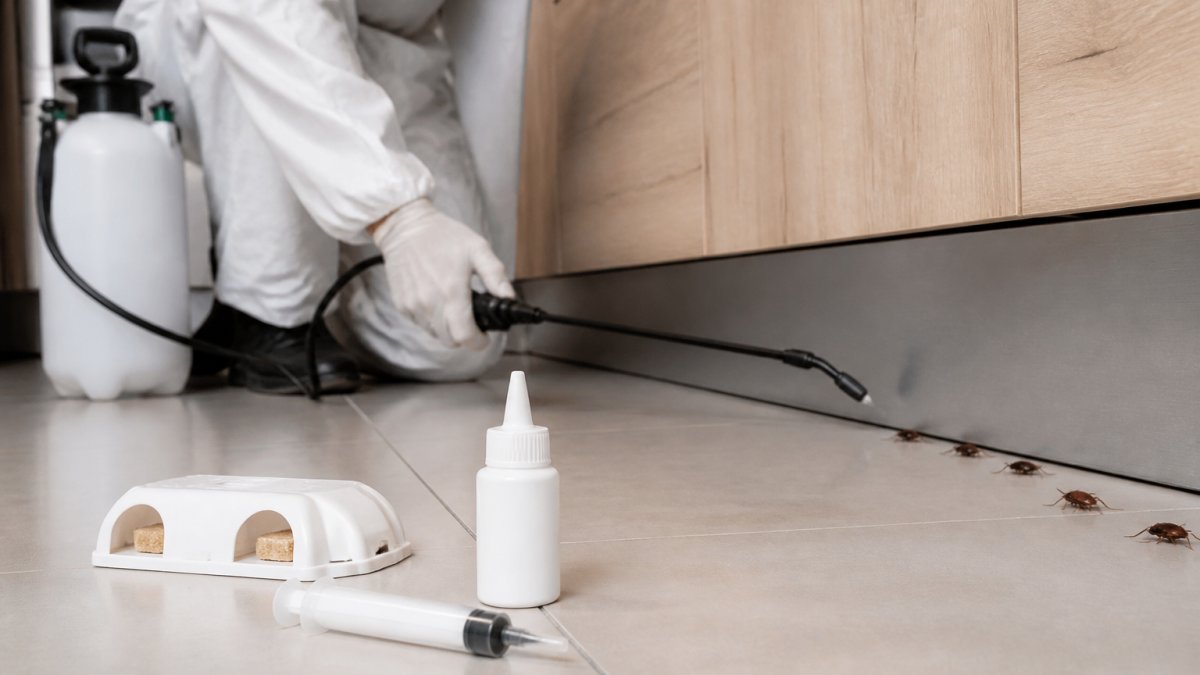
- Application method. Bait stations, gels, and crack-and-crevice treatments put pesticide where hands and paws cannot reach. Broadcast sprays do not.
- Re-entry time. The label states when people and pets can return. That number is not a suggestion.
The EPA's guidance on reading pesticide labels is clear: the label is the law. Follow it exactly, and you stay inside the tested safety envelope.
Pesticide Precautions for Children and Pets: Matching the Product to the Risk
Pesticide precautions for children and pets come down to one idea: match the product to the actual risk in your home. A mouse in the garage and a roach in the kitchen do not call for the same treatment.
Why Toddlers and Dogs Face Different Exposure Risks
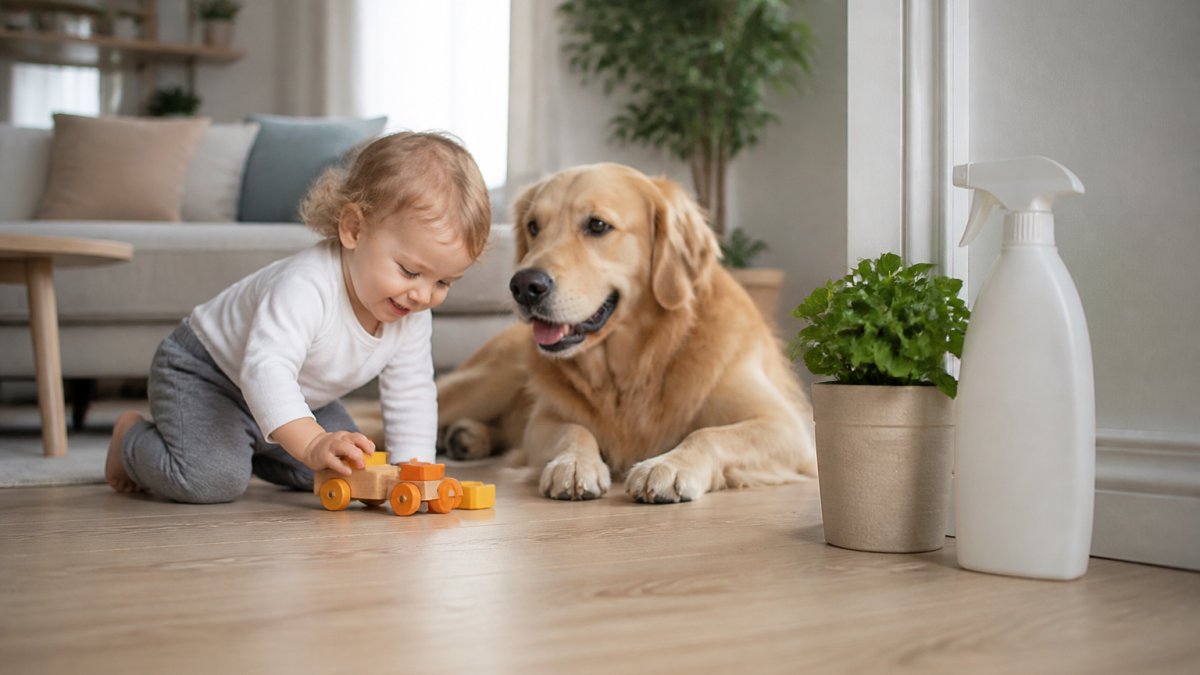
Toddlers crawl on floors, put toys in their mouths, and weigh far less than adults. Small bodies absorb a given dose faster. Dogs lick surfaces, chew objects, and spend hours at floor level. A residue that barely touches an adult can land squarely on a puppy's paws.
What most guides miss is that the risk is not the product alone. It is the product plus the behavior of whoever lives there.
Indoor-Use Products and Application Methods That Lower Exposure
Some methods keep pesticide away from skin and fur by design:
- Gel baits placed in cracks, behind appliances, and inside cabinets
- Tamper-resistant bait stations for rodents, with the block locked inside
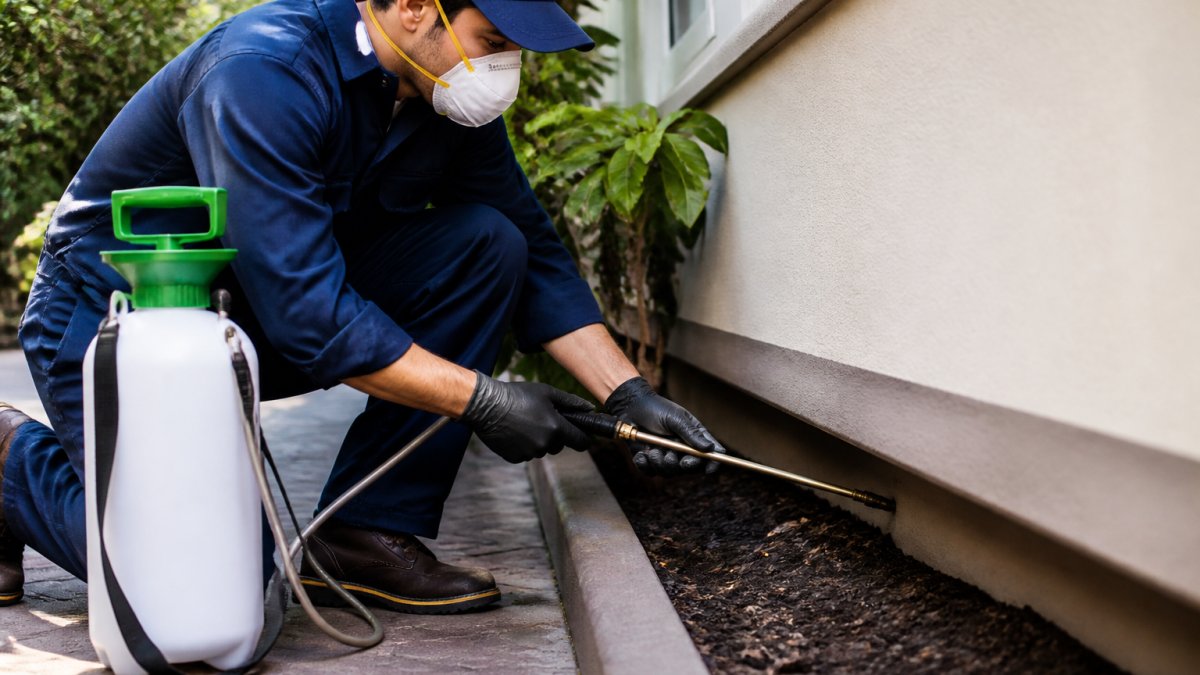
- Crack-and-crevice sprays that treat the void, not the open surface
Pest Control Preparation With Children and Pets: A Room-by-Room Checklist
Preparation does more for safety than any single product choice. It takes about 30 minutes and removes the situations where accidents happen.
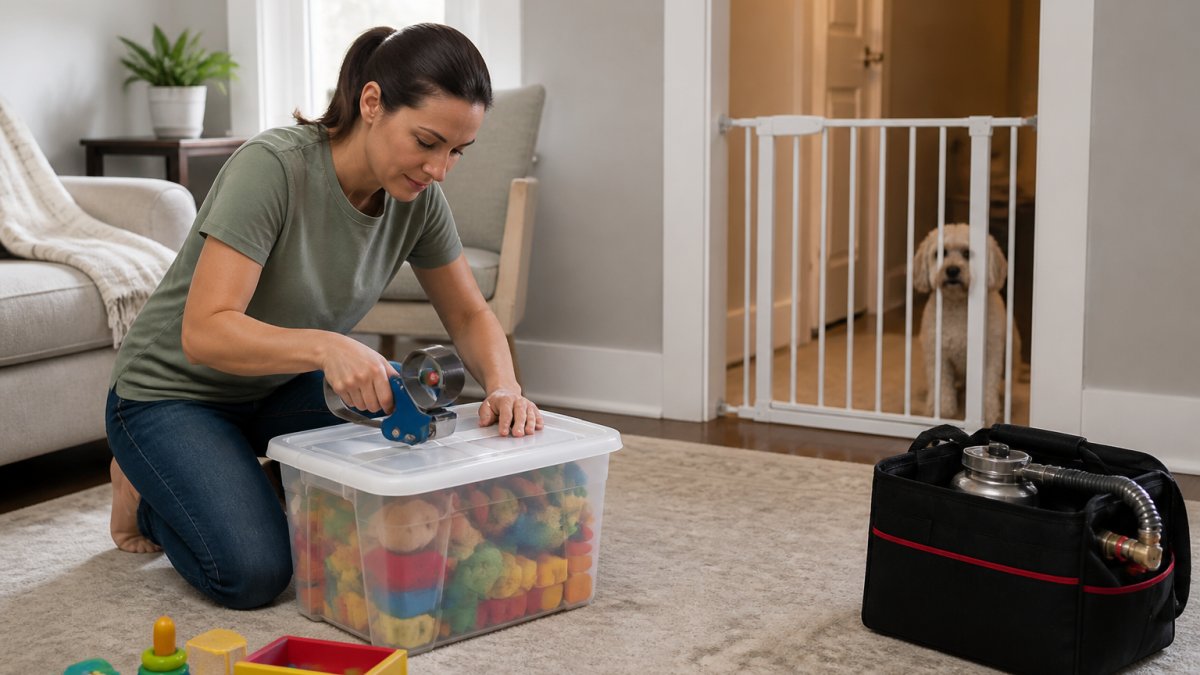
Step 1: Contain People, Pets, and Things That Cannot Move
Before you touch a single item, decide where the household will wait. A closed bedroom on an untreated floor, a neighbor's porch, or the backyard on a leash all work; a car in the driveway does not if the label warns about fumes. Put the dog on a leash or in a carrier before the technician arrives, and assign one adult to toddler duty so no one wanders back into a treated room.
Step 2: Clear Each Room in the Right Order
Work from the farthest room toward the exit so you do not walk back through cleared space with contaminated shoes.
- Kitchen: Clear countertops, put away dishes and utensils, and empty floor-level cabinets. Move the dog's bowls and the toddler's snack cups to a closed cabinet or an untreated room. Bag any open pet food and seal it.
- Bathrooms: Remove towels, bath mats, and toothbrushes; store them in a closed cabinet. Pick up bath toys and the toddler's step stool, which are handled constantly.
- Bedrooms: Pull toys and pet beds away from baseboards and closets. Strip crib sheets and washable bedding only if the label directs it; otherwise, bag them and wash after re-entry.
Step 3: Close, Treat, Ventilate, and Re-Enter
Close the doors to treated rooms and keep them closed until the label's re-entry time passes. After treatment, ventilate as the label directs, usually by opening windows and running fans. Then follow the re-entry time exactly, and wipe down any food-contact surfaces the label names before the household returns.
A Note on Toddlers and Dogs Specifically
A crawling toddler and a floor-level dog interact with the same surfaces but in different ways. Toddlers mouth toys and hands; dogs lick paws, bowls, and floors. That is why the checklist moves toys, bowls, and bedding first, and why re-entry is not the same as "safe to touch." Keep the dog leashed on re-entry until you have walked the room and confirmed treated surfaces are dry, and put the toddler in a playpen or carrier while you do it.
How Long to Keep Dogs Away After Pest Control
How long to keep dogs away after pest control depends on the product and how it was applied. The label's re-entry time is the minimum, and drying time matters just as much.
Drying Time, Re-Entry, and Treated Surfaces
Wet pesticide transfers easily to paws and then to mouths during grooming. A surface that looks dry may still hold residue. So treat the two numbers separately:
- Re-entry time: when people and pets may return, per the label.
- Drying time: when sprayed surfaces are fully dry; this is often longer.
Until both have passed, keep everyone off treated surfaces and out of treated areas. If you must cross a treated room, wear shoes you can clean and wash your hands after.
Nonchemical Pest Control for Homes: What Works Before You Spray
Nonchemical pest control for homes should be your first move, not your last resort. Prevention removes the food, water, and shelter that pests need, and it often solves the problem without any pesticide at all. But "nonchemical" is not the same as "harmless," and "plant-based" is not the same as "safe for toddlers and dogs." Each option below has a mechanism, a best use, and a caution.
Prevention First: Remove Food, Water, and Shelter
- Seal entry points. Caulk gaps around pipes, and add door sweeps and window screens. A pencil-width gap under a door is enough for a mouse.
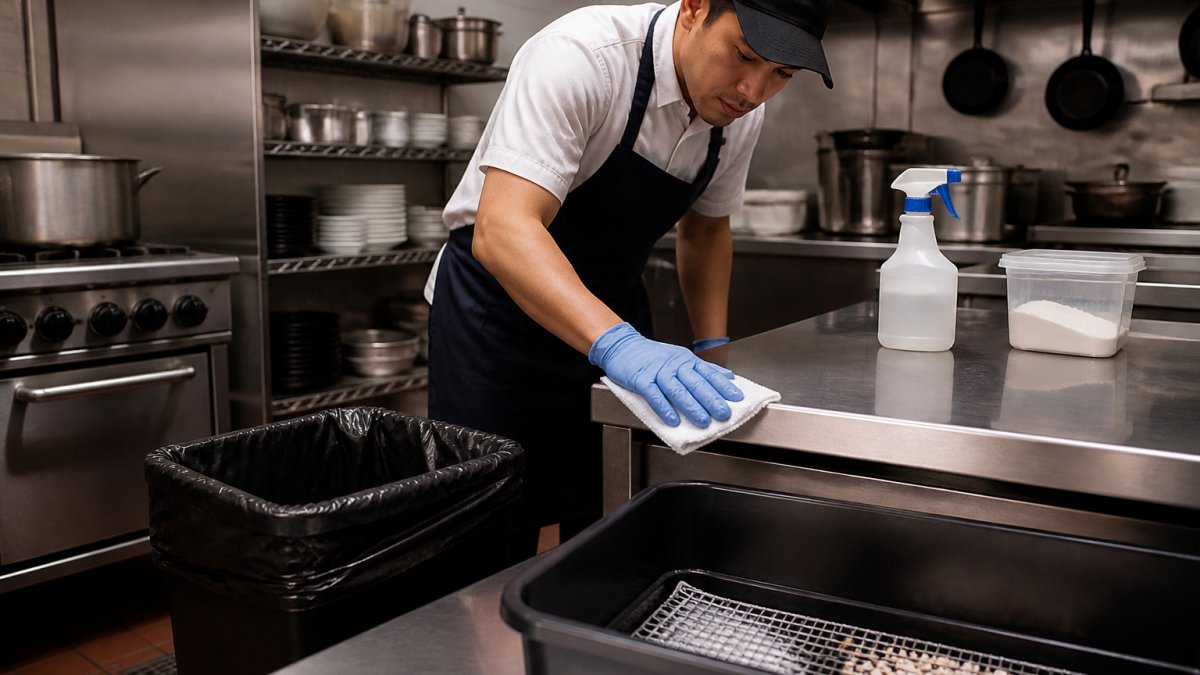
- Cut off food and water. Store food in sealed containers, fix leaks, and clear crumbs nightly. Wipe the high chair and the floor under it; toddlers and dogs both leave a trail.
- Declutter. Reduce cardboard, paper piles, and clutter where roaches and spiders hide. Cardboard also holds moisture and harbors roach egg cases.
Traps and Monitoring: Low-Risk, High-Information
- Sticky traps monitor activity and catch crawling insects and small rodents. Place them against walls where pests travel, and check them weekly. Keep traps out of reach of toddlers and dogs; a curious dog can get a paw stuck, and a toddler can pick one up.
- Snap traps are effective for mice but must be placed inside a tamper-resistant station or behind furniture a child cannot move. Never leave a bare snap trap on a floor a toddler or dog can reach.
- Live traps require daily checking and a plan for release, which is more handling than most households want. If you use one, check local rules before releasing anything on your property.
Diatomaceous Earth and Dusts: What They Do and Do Not Do
Diatomaceous earth (DE) is a fine powder that damages the waxy outer layer of crawling insects, causing them to dry out. It works best in cracks, behind baseboards, and under appliances, not as a broadcast treatment across a floor. Two cautions matter for this household: the dust is a respiratory irritant, so apply it where a toddler cannot crawl through it and a dog cannot sniff it, and it loses effectiveness when wet.
Plant-Based Repellents: Useful, but Not Harmless
Peppermint oil on cotton balls can deter rodents and spiders in closets and garages. Reapply often, and keep the oil itself away from pets and children. Essential oils are concentrated, and pets, especially cats and small dogs, can react to oils on their coats or paws. Never apply an essential oil directly to a pet, and do not assume a plant-based product is safe because it smells like a health-food store.
How This Fits Integrated Pest Management
This is integrated pest management in practice: fix the conditions first, then treat only what remains. The EPA's integrated pest management overview walks through the same sequence for homes. In a household with a toddler and a dog, the goal is to reduce the number of situations where a pesticide is needed at all, and to use the least risky method that still solves the problem.
What to Do After Suspected Exposure to a Pesticide
Act fast and do not wait for symptoms. If a child or pet may have touched or swallowed a pesticide, take these steps:
- Move them away from the area and into fresh air.
- Remove contaminated clothing and rinse skin with plenty of soap and water.
- Flush eyes with cool water for several minutes if exposure occurred there.
- Call for help. Contact Poison Control at 1-800-222-1222 for people. For pets, call your veterinarian or the ASPCA Animal Poison Control Center.
- Bring the label. Have the product name and active ingredient ready for the responder.
- Watch for symptoms such as drooling, vomiting, tremors, or unusual tiredness in pets, and dizziness, nausea, or irritation in children.
Do not induce vomiting unless a medical professional tells you to.
When to Call a Professional for Pet- and Child-Conscious Treatment
Call a professional when the infestation keeps returning, when pests are in areas you cannot safely treat, or when you simply want the product choice taken off your plate.
Ask three questions before you hire:
- Which products will you use indoors, and what is the active ingredient?
- What is the re-entry time, and how will you confirm treated areas are ready?
- Do you offer ongoing protection, and what does the plan include?
At NS Pest Solutions, our family-owned team uses eco-friendly, targeted interior and exterior treatments built around family and pet friendly methods.
Pricing depends on your home, the pest, and the plan you choose. Reach out for current rates.
Frequently Asked Questions
Is pest control safe for pets and kids?
It can be, when the product is applied exactly as the label directs. Safety depends on the active ingredient, the application method, and how well you keep children and pets off treated surfaces until they are dry. Read the pesticide label before anything else: it lists the re-entry time, which surfaces to avoid, and whether the product is approved for indoor use. Products labeled for outdoor-only use should never be applied inside a home with a toddler or dog.
How long after pest control is it safe for dogs?
There is no single number. The label on the product sets the re-entry interval, and it varies by active ingredient and application method. As a working rule, keep dogs off treated areas until sprays have fully dried and any bait stations are secured, then follow whatever wait time the label states. For outdoor treatments, keep dogs off the lawn until it is dry. If your provider gives you a specific window, use the longer of the two.
What should I do with my toddler and dog during pest control?
Plan to be out of the treated rooms, or out of the house, for the application and the drying period. Before the technician arrives, put away toys, food bowls, and pet bedding, and close off rooms you cannot supervise. Keep toddlers and dogs in an untreated area or with a caregiver outside the home. Once the product is dry and the label's re-entry time has passed, ventilate the space and wipe down food-contact surfaces before everyone returns.
Should I use indoor pest control sprays if I have a toddler and a dog?
Only products specifically labeled for indoor use, and only in places a toddler cannot reach and a dog cannot lick. Sprays and residual treatments belong along cracks, baseboards, and entry points, not on floors where a child crawls. Baits should go in child-resistant, refillable stations. For ants, roaches, and spiders, nonchemical steps such as sealing gaps, removing food and water sources, and sticky traps in closed areas often reduce the problem enough that spraying becomes unnecessary.
Keeping a home pest-free with a toddler and a dog in it is a balancing act, and you should not have to guess which products are safe. NS Pest Solutions pairs eco-friendly treatments with clear answers about what we use and why, backed by targeted interior and exterior applications and every-other-month plans that prevent the next infestation instead of just chasing this one. Get started with NS Pest Solutions and give your family peace of mind.