 blog
9 Pest Control Habits That Keep Pests Away for Good
Quick Summary
The best path to lasting pest prevention is a habit-based approach that removes the conditions pests need, starting with sealing entry points and removing food and moisture sources. Integrated pest management puts prevention first, with targeted treatments and ongoing monitoring used only when needed.
- Walk the outside of your home and seal cracks, gaps, and damaged window screens with silicone caulk.
- Store food in sealed containers rather than cardboard boxes to remove a key pest food source.
- Fix leaky faucets and pipes, since standing water attracts many pests.
- Keep firewood and mulch away from the foundation of your home.
- Check traps or sticky monitors in problem areas every few weeks to spot activity early.
Table of Contents
- Why Lasting Pest Prevention Starts Before the Spray
- How Integrated Pest Management Puts Prevention First
- Choosing a Best Pest Control Company You Can Trust
- One-Time Pest Control vs. Ongoing Protection
- Eco-Friendly and Pet-Safe Treatments: Safety and Trade-Offs
- What a Pest Control Service Agreement Should Include
- When DIY Home Pest Control Is Enough and When to Call a Pro
- Booking Your Lasting Protection Plan With NS Pest Solutions
- Frequently Asked Questions
Note: this article has been written in British-free American English per the US target market. The research supplies only two verified sources, so claims rely on qualified language where data is absent.
Most homeowners think pest control starts when they see the first ant trail or spider web. By then, the problem has usually been building for weeks. Households that stay pest-free tend to treat prevention as a daily habit, not an emergency response. Lasting pest prevention is less about the strength of a treatment and more about removing the conditions that let pests move in and settle down.
Keep this in mind as you read. The nine habits below work together, and most of them cost little or nothing to start. Some come from the way professionals approach the problem, and one comes from the broader shift toward prevention-first methods.
Last Updated: November 5, 2026
Why Lasting Pest Prevention Starts Before the Spray
Pest problems rarely begin with a large invasion. They begin with a single gap, a damp corner, or a stray crumb. The Environmental Protection Agency describes Integrated Pest Management principles, which prioritize prevention as the first line of defense by managing indoor spaces so pests never become a threat. That principle is the foundation of every habit in this guide.
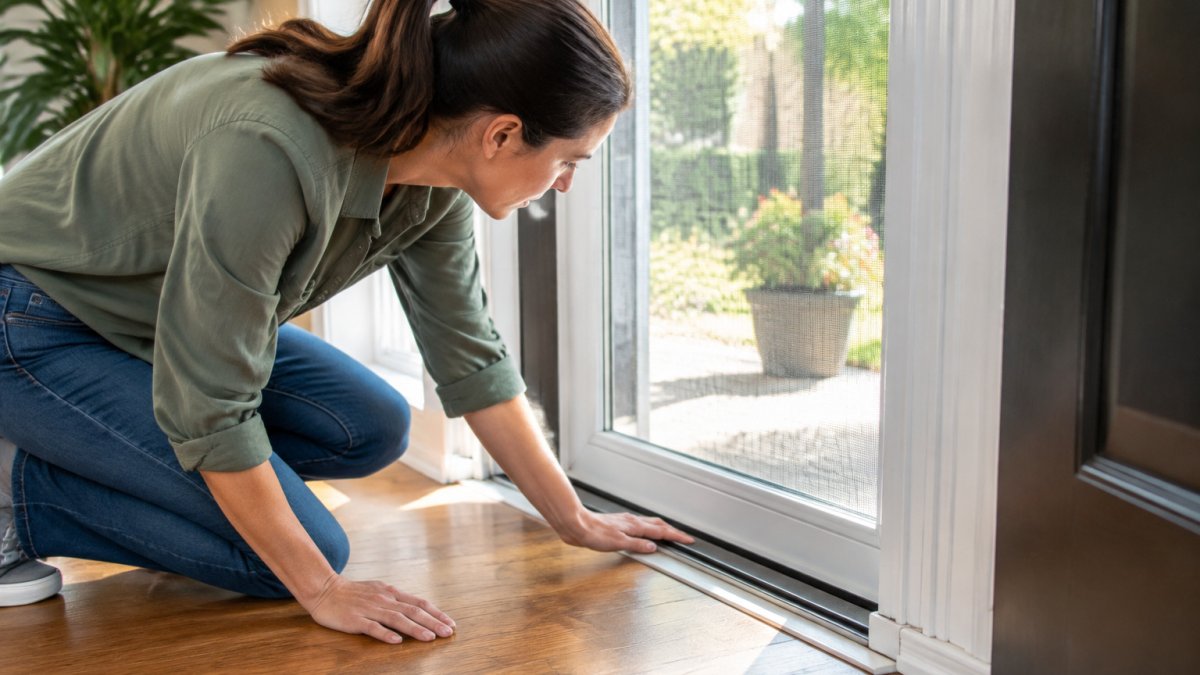
Start with entry points. Walk the outside of your home and check window screens, door thresholds, and the spaces where utility lines enter the building. Seal cracks with silicone caulk and replace torn screens. These small repairs are the most effective prevention step most households can take.
How Integrated Pest Management Puts Prevention First
Integrated pest management, or IPM, is an approach that uses prevention, monitoring, and targeted control in sequence. Pesticides come last, not first. Integrated pest management generally advises taking preventive steps before any chemical treatment.
For homeowners, this means cleaning up food sources, fixing moisture problems, and monitoring for activity before reaching for a product. A few practical steps:
- Store food in sealed containers, not cardboard boxes.
- Fix leaky faucets and pipes, since standing water attracts many pests.
- Keep firewood and mulch away from the foundation.
- Check traps or sticky monitors in problem areas every few weeks.
Choosing a Best Pest Control Company You Can Trust
Many households search for the best pest control companies when a problem becomes hard to ignore. The right choice depends on what you need: recurring maintenance, a single treatment, or help with a specific pest. Ask each provider how they identify the pest, what prevention steps they recommend, and what happens if pests return between visits.
Reliable providers answer those questions plainly. They explain what they will apply, where, and why. Be cautious of any company that quotes a fixed price without first inspecting the property, since the cost of a job depends on the size of the home, the pest involved, and how extensive the infestation is.
One-Time Pest Control vs. Ongoing Protection
A one-time treatment can knock down an active infestation quickly. That makes it useful when you have an urgent problem, such as a wasp nest near a doorway or a sudden surge of ants in the kitchen. However, a single visit does not change the conditions that brought the pests in.
Ongoing protection, such as a scheduled service every other month, addresses those conditions over time. Recurring visits let a technician spot early activity, retreat entry points, and adjust treatments as seasons change. Many households choose a combination: one treatment to clear the problem, then a maintenance plan to keep it from returning.
The article contrasts a single treatment with recurring protection, so here is how the two approaches compare.
| Approach | Best for | Key difference |
|---|---|---|
| One-time treatment | Urgent active infestation | Knocks down pests quickly but leaves conditions unchanged |
| Ongoing protection | Keeping pests from returning | Scheduled visits spot early activity and retreat entry points |
| Combined plan | Clearing a problem, then preventing it | One treatment followed by maintenance visits |
Eco-Friendly and Pet-Safe Treatments: Safety and Trade-Offs
Families with young children and pets often ask whether eco-friendly treatments can match conventional options. The honest answer is that the two categories differ in mechanism, persistence, and the precautions they require, and understanding those differences is what lets you choose with confidence rather than on marketing language.
Know the main product categories. Botanical and minimum-risk products, those whose active ingredients are on the EPA's minimum-risk list, such as certain plant oils and diatomaceous earth, break down faster in sunlight and require more frequent reapplication. Conventional residual products, typically pyrethroid-based, persist longer on surfaces but carry stricter re-entry and ventilation guidance. Baits and traps sit between the two: they target a specific pest with limited exposure to people and pets, which is why integrated pest management favors them for indoor use.
Re-entry and drying times. The single most useful question to ask a provider is: how long before children and pets can return to a treated area? For most interior residual sprays, the answer is until surfaces are fully dry, commonly one to four hours depending on humidity and ventilation. Outdoor perimeter treatments usually require keeping pets off the treated band until dry. Botanical products often dry faster but may need reapplication sooner.
Placement matters as much as the product. Crack-and-crevice application, gel baits in sealed stations, and tamper-resistant bait stations reduce exposure far more than broadcast spraying. Ask where the product will be placed and whether bait stations will be anchored and labeled.
Ventilation and preparation. Open windows during and after interior treatment when weather allows, and follow any preparation instructions, covering food surfaces, removing pet bowls, and laundering bedding, before the technician arrives. Skipping preparation is the most common reason a "safe" treatment still causes irritation.
The trade-off to weigh. Eco-friendly options work well for many common pests, but they may need more frequent application or more careful placement, and results depend heavily on how thoroughly entry points and food sources have been addressed. Conventional residuals may hold longer but demand stricter re-entry discipline. Neither is universally "safer", the right choice depends on the pest, the location, and the household.
Watch out: "natural" is not a regulated safety claim. Botanical products can still irritate skin, eyes, and airways, and essential-oil sprays are a known hazard to cats. Read the label of any product, professional or store-bought, and store all of it out of reach.
Ask your provider for the product label and safety data sheet for anything applied in your home. A provider who supplies them without hesitation is telling you something useful about how they operate.
What a Pest Control Service Agreement Should Include
A service agreement is the document that defines what you are buying, and it is where most household complaints originate. Before you sign, read it line by line against the checklist below. If a provider cannot answer these questions in writing, treat that as a warning sign rather than a sales obstacle.
Visit schedule and service window. Confirm how many visits per year are included, the interval between them (monthly, every other month, or quarterly), and the window in which a technician will arrive. A plan advertised as "quarterly" means four visits; a plan advertised as "every other month" means six.
Pests covered and pests excluded. Most standard plans cover common household pests such as ants, spiders, roaches, and mice. Wood-destroying insects (termites, carpenter ants), bed bugs, wildlife, and stinging insects are frequently excluded or priced separately. Get the covered-pest list in writing, and ask what happens if a pest outside the list appears between visits.
Treatment areas. Clarify whether the price covers exterior perimeter treatment only, or also interior baseboards, garage, attic, and crawlspace. Interior service usually costs more and may require preparation on your part.
Retreatment and guarantee terms. This is the clause that determines whether your peace of mind is real. A typical guarantee states that if covered pests return within a defined window, commonly 30 to 90 days after a visit, the provider will retreat at no additional charge. Ask three questions: How long is the window? Is the retreatment free or discounted?
Cancellation and renewal. Find the notice period required to cancel (often 30 days), whether cancellation carries a fee, and whether the agreement auto-renews. Auto-renewal clauses are common and easy to miss.
Price per visit and escalation. Ask each provider to confirm in writing the per-visit price, any setup fee, and whether the rate is locked for the contract term. Ask whether the quoted price assumes a certain home size and what happens if the technician finds a larger infestation.
Response time between visits. A good agreement states how quickly the provider will return for an unscheduled call, 24 to 72 hours is a common range, and whether that visit counts against your plan.
Watch out: a low introductory price paired with a long auto-renewal term and a narrow guarantee window is the most common pattern behind "cheap" pest plans that cost more over a year than a straightforward monthly service.
Ask for the full agreement, not just the summary page, before you commit. The terms you negotiate now determine how the relationship works when something goes wrong.
When DIY Home Pest Control Is Enough and When to Call a Pro
Simple DIY steps work well for minor issues. Sealing gaps, cleaning up crumbs, and fixing leaks can prevent many problems without professional help. Commercial-grade products are another matter: some are restricted, and misuse can harm people and pets.
Call a professional when the infestation keeps returning, when you cannot identify the pest, when nests are in walls or ceilings, or when you have young children or animals at risk. A trained technician can find the source, which is often the difference between a short-term fix and lasting protection.
Booking Your Lasting Protection Plan With NS Pest Solutions
If you want a clear plan rather than repeated emergency calls, NS Pest Solutions offers eco-friendly treatments designed for families, pets, and businesses. NS Pest Solutions offers targeted interior and exterior treatments and every-other-month service plans. You can review our services page to see which option fits your home.
For answers to common questions about our process and agreements, visit our FAQs. Contact NS Pest Solutions to discuss a plan for your property.
Frequently Asked Questions
Is a one-time pest control treatment enough for lasting prevention?
A one-time treatment can knock down an active infestation, but it rarely stops new pests from arriving. Lasting prevention usually depends on sealing entry points, removing food and water sources, and scheduling follow-up monitoring. Pricing and treatment frequency depend on the property, the pest type, and the level of activity, so ask the provider for a written plan and a current quote. For current pricing or a quote, visit the NS Pest Solutions website.
How often should a home receive pest control service?
Many households choose a service every other month, which allows regular monitoring and timely touch-up treatments between visits. The right schedule depends on the pests present, the home's exterior, and whether children or pets spend time in treated areas. A provider should explain the reasoning behind its recommended interval and adjust it as conditions change. Ask for the schedule in writing before you sign anything.
What should I ask an extermination company before hiring it?
Ask what products they use, how those products are applied, and whether the treatments are safe for children and pets. Confirm their service guarantee, what happens if pests return between visits, and how appointments are scheduled and rescheduled. Request the contract terms and a clear breakdown of the cost. Reputable companies answer these questions without hesitation.
Is professional pest control worth it compared with DIY treatment?
DIY products can handle a few isolated insects, but they often miss hidden nests and entry points that drive repeat problems. Professionals inspect the property, identify the pest, and apply treatments targeted to the source. The cost of a service agreement should be weighed against the time, repeated purchases, and property damage that persistent pests can cause.