 ultimate-guide
Are Eco-Friendly Pest Treatments Effective?
Last Updated: November 2, 2026
Quick Summary
Yes, eco-friendly pest treatments are effective when they are matched to the right pest, applied correctly, and followed up. Effectiveness depends on which method you use, since the category includes botanical sprays, biological agents, traps, exclusion work, and sanitation rather than a single product.
- Eco-friendly approaches often need 2-3 visits and are slower on heavy infestations than conventional pesticides.
- Baiting outperforms spraying for ants and roaches because the colony, not the visible forager, is the target.
- Diatomaceous earth only works when the dust stays dry; it clumps and loses effectiveness in damp areas.
- Essential oils such as peppermint and eucalyptus are toxic to cats and can irritate children's respiratory tracts.
- Ask providers to name the active ingredient, show their license, and describe how they measure whether pest populations dropped.
Table of Contents
- Are Eco-Friendly Pest Treatments Effective? The Short Answer
- How Eco-Friendly Pest Control Works
- Eco-Friendly Pest Control vs. Conventional Pest Control
- Non-Toxic Indoor Pest Control Options for Your Home
- Eco-Friendly Pest Control for Ants
- Integrated Pest Management for Homes
- When Eco-Friendly Methods May Not Be Enough
- Choosing an Eco-Friendly Pest Control Provider
- Frequently Asked Questions
Are Eco-Friendly Pest Treatments Effective? The Short Answer
Yes, eco-friendly pest treatments are effective when they are matched to the right pest, applied correctly, and followed up. At NS Pest Solutions, we build every service call around that principle: identify the pest first, then choose the least aggressive method that will actually solve the problem.
The catch is that "eco-friendly" is not a single product. It is a category that includes botanical sprays, biological agents, traps, exclusion work, and sanitation. Effectiveness depends entirely on which of those you use and against what.
Below, we break down how these treatments work, where they fall short, and how to judge whether a provider is giving you real results or just a greener label.
How Eco-Friendly Pest Control Works
Eco-friendly pest control is a method of managing pests by targeting the conditions that let them thrive, using low-toxicity products and non-chemical tactics before reaching for anything stronger. It works because most infestations start with an entry point, a food source, or a moisture problem, and fixing those removes the reason pests return.
The integrated pest management framework described in a 2024 review combines several strategies rather than relying on one spray. In practice, that means:
- Pest identification to confirm the species and its habits
- Sanitation to remove food and water sources
- Exclusion to seal gaps, cracks, and entry points
- Targeted treatment with low-toxicity products where pests are active
- Monitoring to confirm the population is actually dropping
That last step is what separates a real program from a one-time spray. Without follow-up, you have no way to know whether the treatment worked or the pests simply moved.
Eco-Friendly Pest Control vs. Conventional Pest Control
The honest comparison is not "safe versus effective." It is a trade-off between speed, persistence, and exposure. For a deeper look at eco-friendly pest control vs chemical treatments, see our full comparison.
Conventional pesticides often act faster on a heavy infestation and can hold a residual barrier for longer. Eco-friendly approaches typically require more visits, more prep work from the homeowner, and more patience. What you get in return is reduced chemical exposure for children, pets, and non-target organisms like pollinators.
The Phipps Conservatory guide to eco-friendly pest management makes a point worth repeating: identify the pest before treating, because preventive spraying can sometimes do more harm than good. Blanket spraying kills beneficial insects and can lead to rebound infestations.
| Factor | Eco-Friendly Approach | Conventional Approach |
|---|---|---|
| Speed on heavy infestations | Slower, often 2-3 visits | Faster knockdown |
| Chemical exposure | Lower | Higher |
| Pollinator and beneficial insect impact | Minimal when targeted | Broader |
| Upfront effort | More prep and exclusion work | Less prep |
| Long-term recurrence | Lower when root causes are fixed | Varies; barrier fades |
Non-Toxic Indoor Pest Control Options for Your Home
Indoor eco-friendly pest control works best when you match the method to the pest, not when you buy a single 'natural' spray and hope. The table below summarizes commonly used low-toxicity options for the most common indoor pests.
| Pest | Low-toxicity options with the strongest support | Realistic timeline | Repeat treatment? |
|---|---|---|---|
| Ants | Boric acid or hydramethylnon gel baits placed along trails; diatomaceous earth (DE) as a barrier | 1-3 weeks for colony decline | Yes, refresh bait stations every 2-4 weeks until activity stops |
| Cockroaches | Gel baits (fipronil or indoxacarb), boric acid dust in voids, sticky monitors | 2-4 weeks for noticeable drop | Yes, follow-up at 2 and 4 weeks is standard |
| Spiders | Exclusion, sticky traps, removal of egg sacs; DE in cracks | Immediate for trapped adults; weeks for egg hatch | Monitor monthly during season |
| Silverfish | DE, cedar oil, reduced humidity below 50% | 2-6 weeks | Yes, humidity control is ongoing |
| Pantry moths | Pheromone traps, freezing infested goods, sealed containers | 1-2 life cycles (4-8 weeks) | Yes, replace traps every 4-6 weeks |
| Fleas | Vacuuming with a HEPA vacuum, DE, insect growth regulators (IGRs) | 4-8 weeks (pupae are the bottleneck) | Yes, IGRs and vacuuming must continue past the last sighting |
Three mechanisms explain most of the results:
- Desiccation. Diatomaceous earth and silica aerogel physically damage the waxy outer layer of insects, causing them to dry out. This works only when the dust stays dry, in damp basements or kitchens, DE clumps and loses effectiveness.
- Ingestion toxicants at low dose. Boric acid and gel baits rely on the pest carrying the active ingredient back to the colony or harborage. This is why baiting outperforms spraying for ants and roaches: the colony, not the visible forager, is the target.
- Behavior disruption. Pheromone traps and IGRs interrupt mating or development rather than killing adults outright. They are slow by design and require patience.
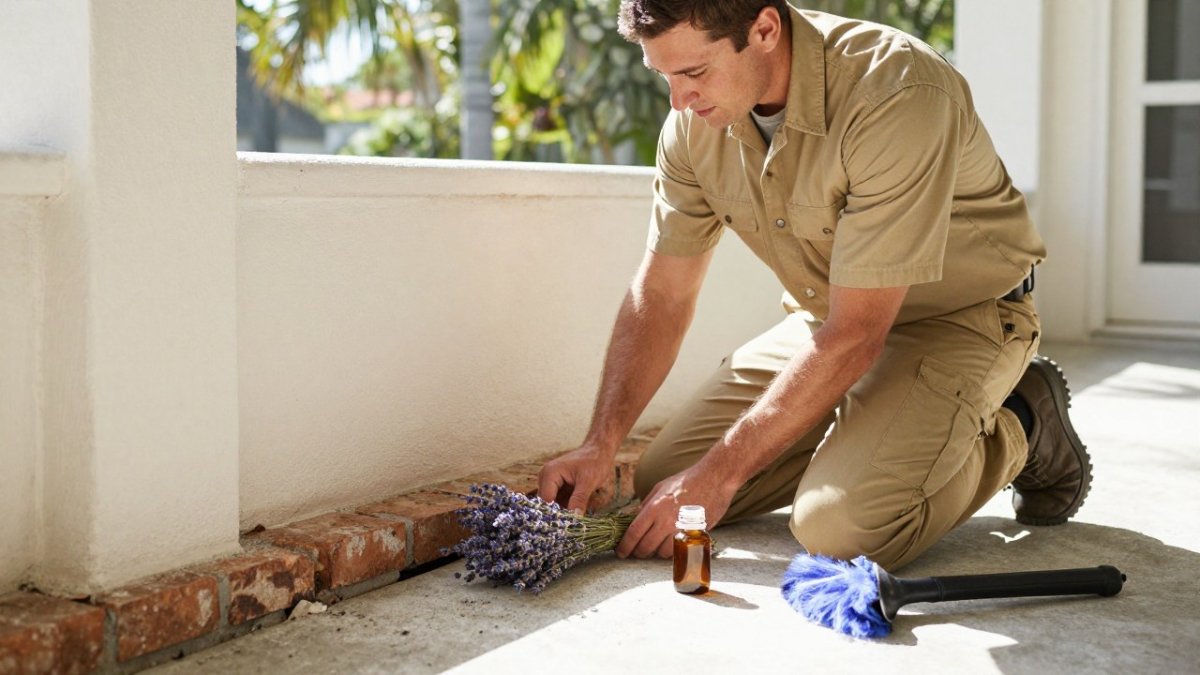
Watch Out: 'Natural' does not mean risk-free. Essential oils such as peppermint and eucalyptus are toxic to cats and can irritate respiratory tracts in children. Boric acid dust is low-toxicity to mammals but should still be kept out of reach of pets and applied only in cracks and voids, not broadcast across floors.
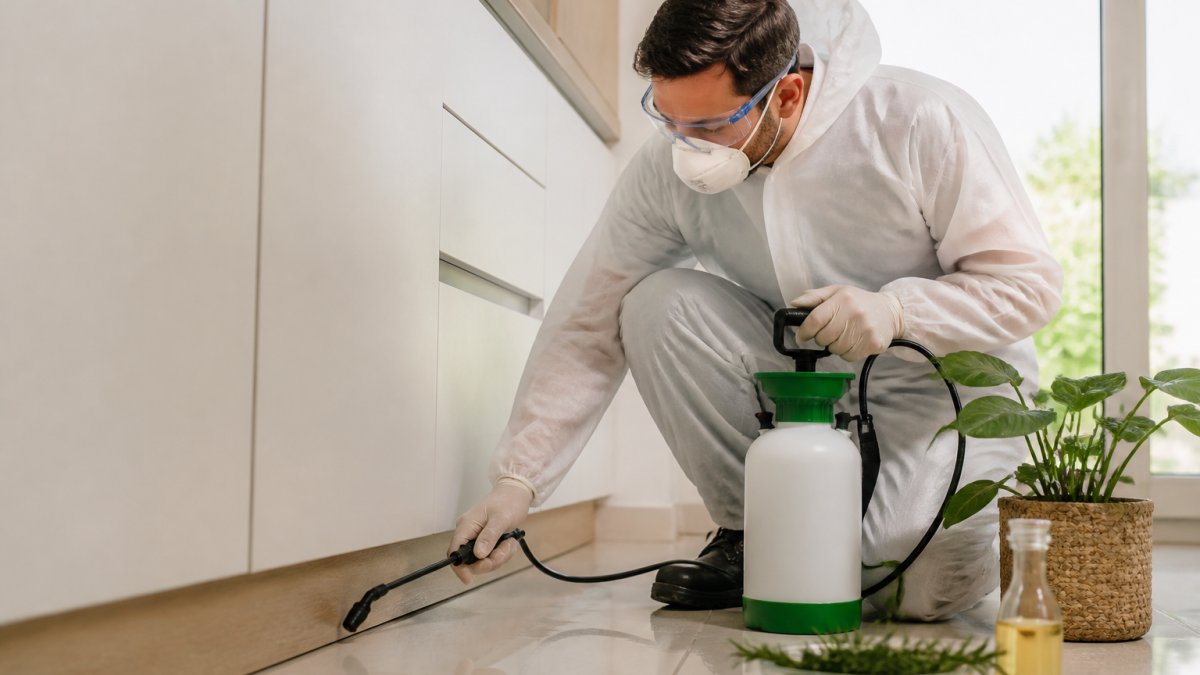
Start with the physical layer before any product: seal gaps around pipes and baseboards, repair torn screens, store food in sealed containers, and fix moisture under sinks and behind appliances. If you have kids or pets, our guide to pest control safe for toddlers and dogs covers what to keep in mind. Only then treat where activity is confirmed. A common mistake is spraying baseboards on a schedule whether or not pests are present, that adds exposure without adding protection.
Eco-Friendly Pest Control for Ants
Ant control is where eco-friendly methods perform best, because ants are predictable. They follow pheromone trails, so killing the visible workers without addressing the colony guarantees they come back.
A common approach is baiting rather than spraying. Ants carry bait back to the nest, which addresses the source rather than the symptom. Pair that with sealing entry points and removing food residue, and you break the cycle.
Watch out: spraying a trail wipes out the workers but leaves the colony intact, and treated trails can cause ants to scatter into new areas of the home.
Integrated Pest Management for Homes
Integrated pest management for homes is a prevention-first system, not a treatment you buy once. It treats your property as an ongoing process of monitoring, correcting conditions, and treating only when thresholds justify it.
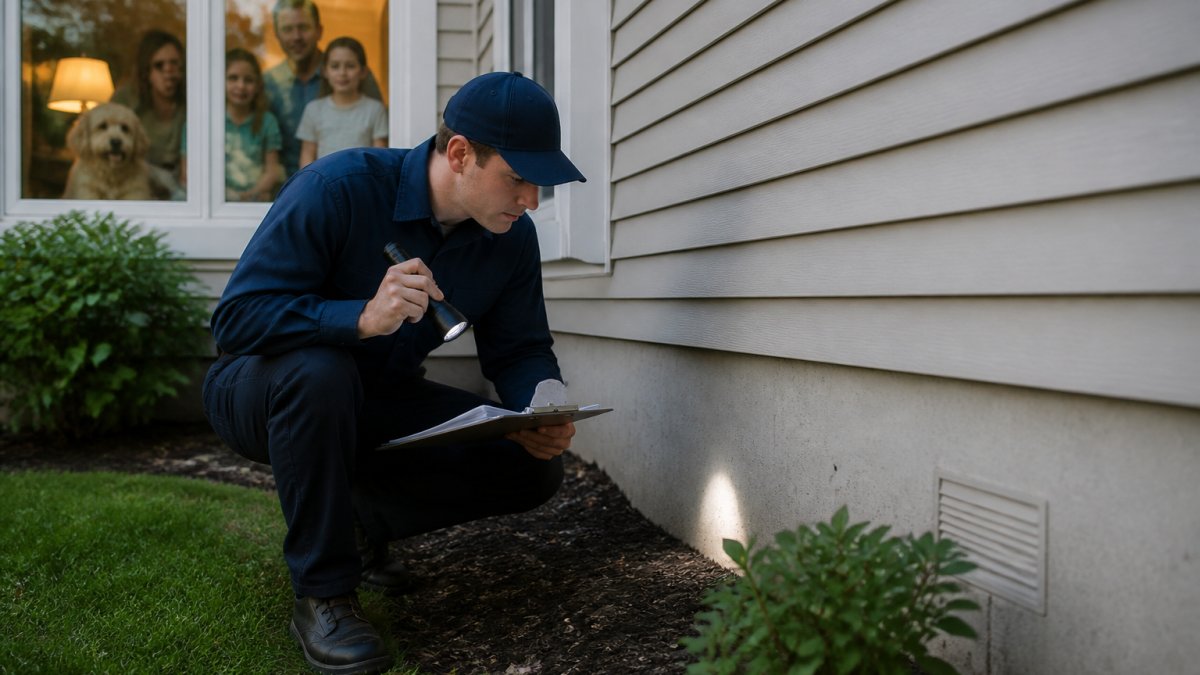
For homeowners, the practical version looks like this:
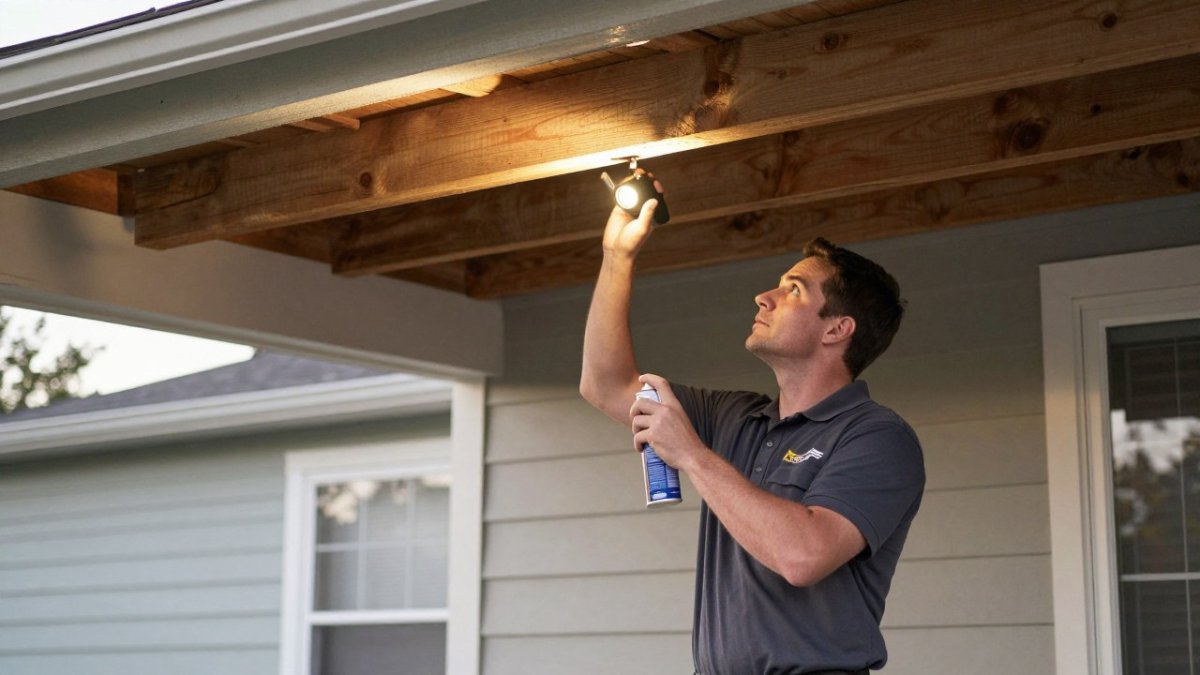
- Walk the exterior monthly and note cracks, gaps, and moisture
- Keep mulch and vegetation pulled back from the foundation
- Fix leaks and reduce standing water
- Store food and pet food in sealed containers
- Log any pest sightings with location and date
- Schedule follow-up treatment when monitoring shows activity
That log matters more than most people realize. It tells you whether the program is working or whether you are paying for repeat visits that solve nothing.
When Eco-Friendly Methods May Not Be Enough
Eco-friendly methods are not a universal solution, and any provider who tells you otherwise is overselling. There are situations where low-toxicity approaches alone will not resolve the problem.
Structural infestations. Termites and carpenter ants damaging wood often need specialized treatment beyond botanical products.
Large established populations. A severe roach or bed bug infestation may require a stepped approach that starts more aggressively and transitions to maintenance.
Health and safety thresholds. Some pests carry real disease risk, and speed matters more than method selection.
The 2024 review of integrated pest management frames IPM as a combination of strategies, not a commitment to one product class. That flexibility is the point. A good provider escalates when the situation calls for it and says so upfront.
Choosing an Eco-Friendly Pest Control Provider
Most providers now describe themselves as eco-friendly, so the label alone tells you little. For more on choosing safe, reliable extermination companies, see our dedicated guide.
**1.
2. Licensing and credentials. In most states, commercial pesticide applicators must hold a state-issued license and carry liability insurance. Ask for the license number and verify it with your state's pesticide regulatory office.
3. Application method and scope. Ask where the product will be applied, how much, and what will not be treated.
4. Monitoring and success criteria. A real program includes follow-up. Ask: How will you measure whether the population dropped? Sticky monitors, bait consumption counts, and sighting logs are concrete; 'it should get better' is not.
5. Escalation policy. Ask what happens if the low-toxicity approach does not work.
6. Safety documentation. Request the Safety Data Sheet (SDS) for any product used and ask about re-entry intervals, especially for households with children, pregnant occupants, or pets.
A provider who answers these six questions with specifics is likely running a real integrated program. A provider who answers with adjectives is selling a label.
At NS Pest Solutions, we are family owned and operated. Our services are eco-friendly and include every-other-month service plans and targeted interior and exterior treatments.
When you are ready to talk through your property, you can contact our team directly.
Frequently Asked Questions
Are eco-friendly pest treatments effective?
Yes, for many common pests. Effectiveness depends on the pest, the treatment, and how consistently it is applied. Eco-friendly pest treatments work best when paired with prevention and monitoring, and some heavy infestations may still need targeted conventional products.
What are some non-toxic indoor pest control options?
Non-toxic indoor options include sealing cracks and entry points, removing food and water sources, using sticky traps for monitoring, and applying diatomaceous earth in cracks and crevices. Botanical products such as plant-based oils can help with ants and spiders. For a safe, targeted plan, a provider can identify the pest and place low-toxicity products only where needed, keeping children and pets away from treated areas.
Are natural pest control methods as effective as conventional treatments?
Not always, but they can be close for many household pests. Conventional chemical pesticides often act faster and may be needed for severe infestations. Natural methods work best as part of integrated pest management, where prevention, monitoring, and targeted low-toxicity products are combined rather than relying on a single approach.
How long does eco-friendly pest control take to work?
Timelines vary by pest and method. Botanical and biological treatments often take several days to a few weeks to reduce populations, while conventional products may knock down pests faster. Follow-up treatment and repeat application are common with eco-friendly options. A provider can set expectations and schedule monitoring visits, and most customers see noticeable improvement within the first few weeks with consistent prevention.
What can I do to make eco-friendly pest treatments more effective?
Focus on sanitation, habitat modification, and exclusion. Seal cracks, fix leaks, store food in airtight containers, and remove clutter that gives pests shelter. Regular pest monitoring helps catch activity early. Pair these preventive practices with professional targeted treatment, and follow any instructions about waiting periods or repeat applications. Consistent effort between visits is what makes eco-friendly pest treatments last.
When should I call a pest control professional?
Call a professional when you see signs of an infestation, such as droppings, gnaw marks, or repeated sightings, or when DIY methods have not worked after a few weeks. A provider can identify the pest, assess the root causes, and recommend a targeted plan. For families with young children or pets, a professional can also explain which low-toxicity products are used and how to keep everyone safe.
The real test of any pest program is not the label on the bottle. It is whether the pest population drops, stays down, and whether you understand what was done to your home. NS Pest Solutions builds every plan around targeted treatments, family and pet friendly products, and scheduled follow-up so you can see the difference rather than take it on faith. Get started with NS Pest Solutions and set up an every-other-month plan that protects your home without the guesswork.