 blog
How to Choose Eco-Friendly Pest Control vs Chemical
Last Updated: October 26, 2026
Quick Summary
Eco-friendly pest control uses low-toxicity, plant-based, biological, or mechanical methods that limit harm to people, pets, and beneficial insects, while chemical pest control relies on synthetic ingredients that act faster and last longer. Choose eco-friendly methods for prevention and light infestations, and reserve chemical treatments for heavy or fast knockdown situations.
- Eco-friendly options break down faster but may need repeat treatment than chemical products.
- Match the method to the pest, since no single method beats chemicals across every pest.
- Integrated pest management combines prevention, mechanical controls, and targeted treatment rather than picking one category.
- Compare methods by cost per resolved infestation, not cost per spray.
- If a DIY treatment fails twice, stop repeating it and get a professional inspection.
Table of Contents
- Eco-Friendly vs Chemical Pest Control: The Core Trade-Offs
- Eco-Friendly Pest Control Methods for Home Use
- Effectiveness by Pest: Where Each Method Wins
- Integrated Pest Management for Homes: The Combined Approach
- Pest Control Safety for Pets and Children
- How to Keep Ants Out of a Kitchen Without Spraying
- Total Cost, Resistance, and Treatment Failure
- Choosing Your Treatment Plan with NS Pest Solutions
- Frequently Asked Questions
Eco-Friendly vs Chemical Pest Control: The Core Trade-Offs
The U.S. pest-control industry was projected to reach $26.1 billion in 2025 across roughly 32,720 active companies, according to Briostack's 2025 industry statistics roundup.
The core trade-off comes down to speed versus footprint. Chemical treatments often act faster and leave a longer residual effect. Eco-friendly options lean on botanical extracts, biopesticides, and mechanical controls that break down faster but may need repeat treatment.
What Eco-Friendly Pest Control Actually Means
Eco-friendly pest control is the use of low-toxicity, plant-based, biological, or mechanical methods to manage pests while limiting harm to people, pets, beneficial insects, and the environment. It includes botanical extracts, essential oils, biopesticides, biological controls, traps, and pest barriers. The University of California Agriculture and Natural Resources guidance on organic and natural pesticides cautions that some organic products can be as harmful as certain other pesticides to people or beneficial insects.
What Chemical Pest Control Actually Means
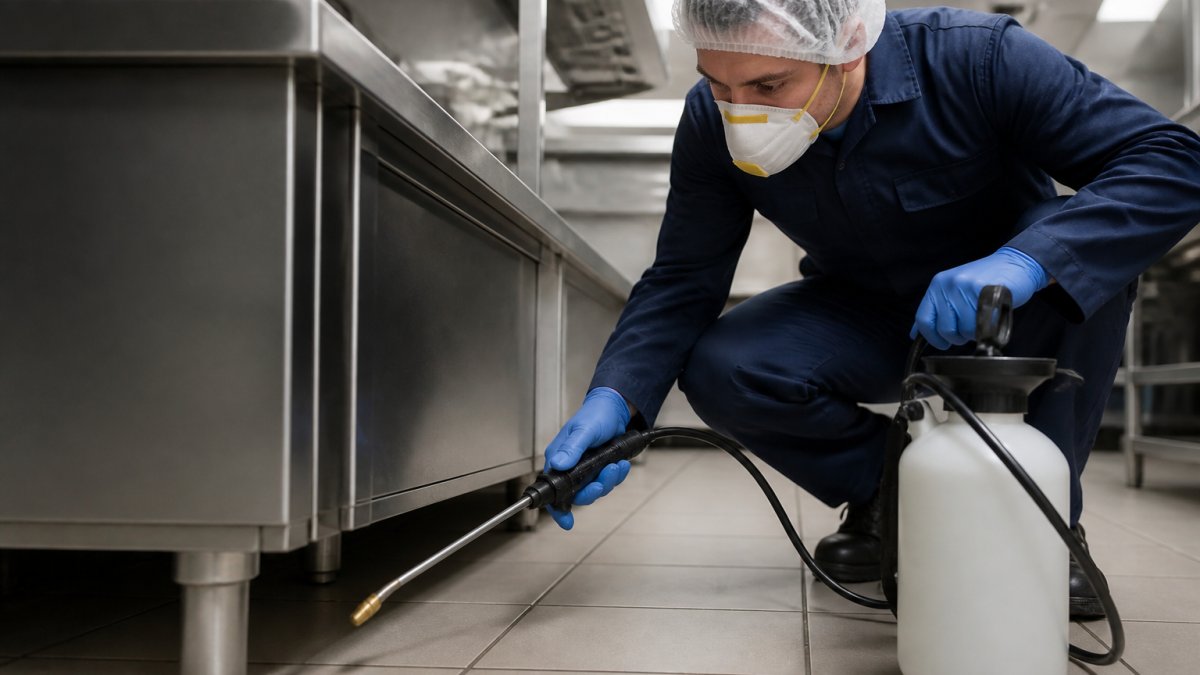
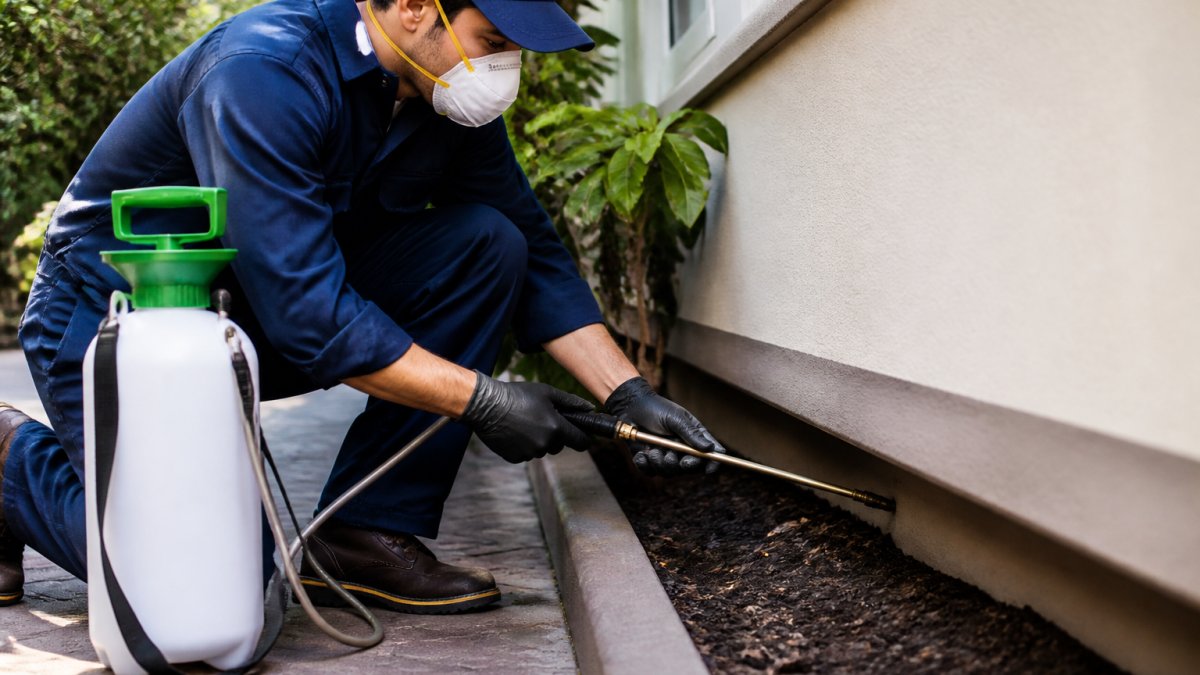
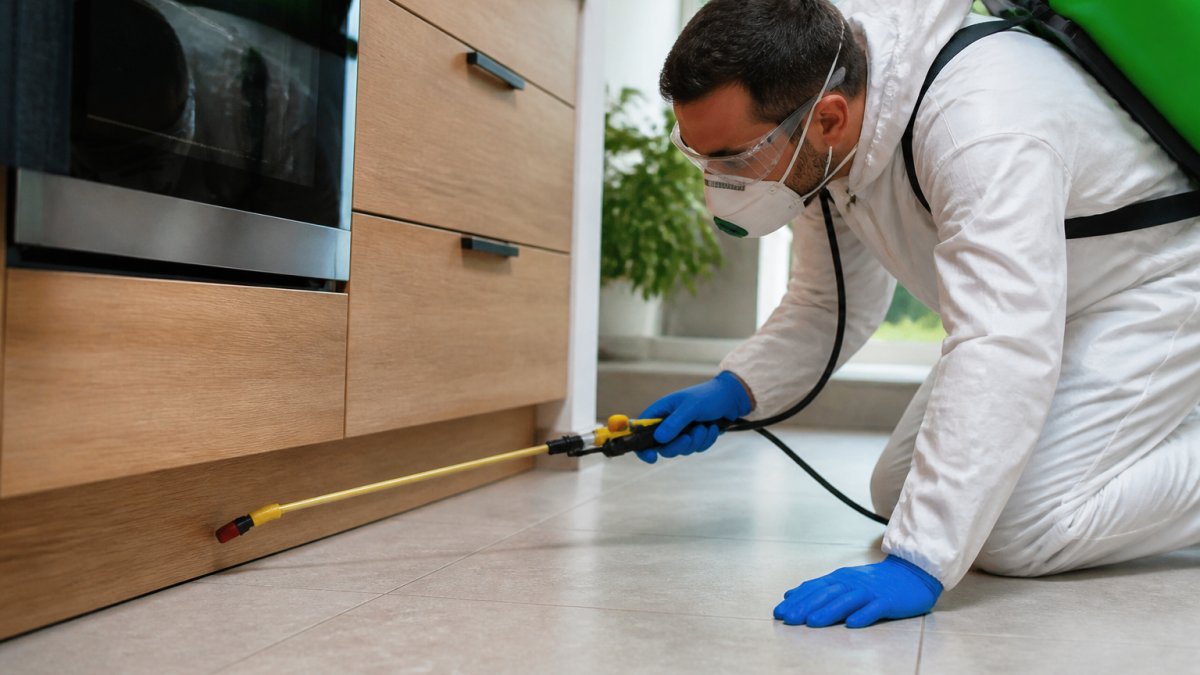
Chemical pest control relies on synthetic active ingredients formulated to kill or repel pests, usually with a residual effect that keeps working for weeks. Traditional treatments are the standard for heavy infestations because they act fast and hold longer. The trade-off is chemical exposure risk during application and re-entry, plus broader environmental impact.
Eco-Friendly Pest Control Methods for Home Use
Start with the least invasive tool that fits the infestation. For light pest pressure, mechanical control and prevention often do the job alone.
- Traps and barriers: sticky monitors, snap traps, door sweeps, and sealed entry points
- Botanical products: cedarwood, vinegar solutions, and essential oils used as repellents
- Biopesticides and biological controls: microbial products that target specific pests
The USDA Agricultural Research Service overview of biological alternatives to chemical pesticides notes that microbial control can reduce chemical pesticide use and lower environmental impacts. In practice, these methods reward patience and repeat application.
Effectiveness by Pest: Where Each Method Wins
Match the method to the pest, not the other way around. A 2024 review in Agronomy's review of alternative pest-control strategies covers ongoing research into alternatives, though it reports no single method beating chemicals across every pest.
Use the table below as a decision aid, not a guarantee. Timelines are typical ranges most practitioners report for light-to-moderate infestations; heavy infestations and structural problems routinely run longer.
| Pest | Eco-Friendly Strength | Chemical Strength | Best First Move | Typical Time to Control | Escalate to a Pro When |
|---|---|---|---|---|---|
| Ants | Baits, barrier sealing, trail removal | Fast knockdown sprays, residual perimeter | Bait plus exclusion | 1-2 weeks with repeat baiting | Multiple nests, carpenter ants, or trail returns within days |
| Cockroaches | Gel bait, sanitation, moisture control | Residual spray, insect growth regulators | Bait in low-traffic zones plus sanitation | 2-4 weeks with bait rotation | German cockroaches in multi-unit housing or visible daytime activity |
| Spiders | Web removal, repellents, exclusion | Residual perimeter spray | Mechanical removal and entry sealing | Immediate removal; 2-4 weeks prevention | Repeated re-entry from exterior populations |
| Fleas | Vacuuming, IGRs, pet treatment | Fast-acting sprays | Combined approach with pet and environment treated together | 3-8 weeks because of pupal stages | Infestation persists past 8 weeks or pets remain untreated |
| Bed bugs | Heat, steam, encasements, interceptors | Residual and contact insecticides | Professional inspection before any treatment | Weeks to months; pupae and eggs extend timelines | Any confirmed bedroom infestation, DIY failure rates are high |
| Rodents | Snap traps, exclusion, sanitation | Rodenticide (restricted-use in many states) | Trapping plus entry sealing | 1-3 weeks with daily trap checks | Droppings in food areas, gnawed wiring, or repeated sightings |
Three patterns explain most of the table:
- Colony and nest structure drives timeline. Social insects such as ants and cockroaches require bait that foragers carry back; surface sprays kill the visible workers but leave the colony intact. For a closer look at cockroach bait vs spray results and costs, see our dedicated article. That is why eco-friendly baiting often looks slower for the first week and then collapses the population.
- Life-stage biology sets the floor. Flea pupae and bed bug eggs are resistant to many contact treatments, so no method, natural or synthetic, produces same-day elimination. Expect repeat application regardless of product category.
- Severity changes the math. A few ants at a kitchen threshold is a bait-and-exclusion job. Carpenter ants tunneling into framing, German cockroaches in a shared wall, or bed bugs in a mattress seam are structural problems where professional intervention is warranted, and delaying it usually raises total cost.
Integrated Pest Management for Homes: The Combined Approach
Integrated pest management is a combined-method approach, not a choice between natural and synthetic products. The EPA's integrated pest management principles describes IPM as combining pest knowledge and control methods to manage damage safely and economically.
In practice, IPM for homes looks like this:
- Identify the pest and the source
- Apply prevention and mechanical controls first
- Use targeted treatment only where pest pressure justifies it
- Monitor and re-treat based on results
That sequence is why IPM outperforms a blind "spray everything" habit. It also explains why eco-friendly treatments sometimes need more frequent visits.
Pest Control Safety for Pets and Children
Safety starts with application, not the label. A 2026 industry survey reported by PCT Online's coverage of green product use found that, on average, 19.4% of the products pest-management professionals use are green, natural, or botanical.
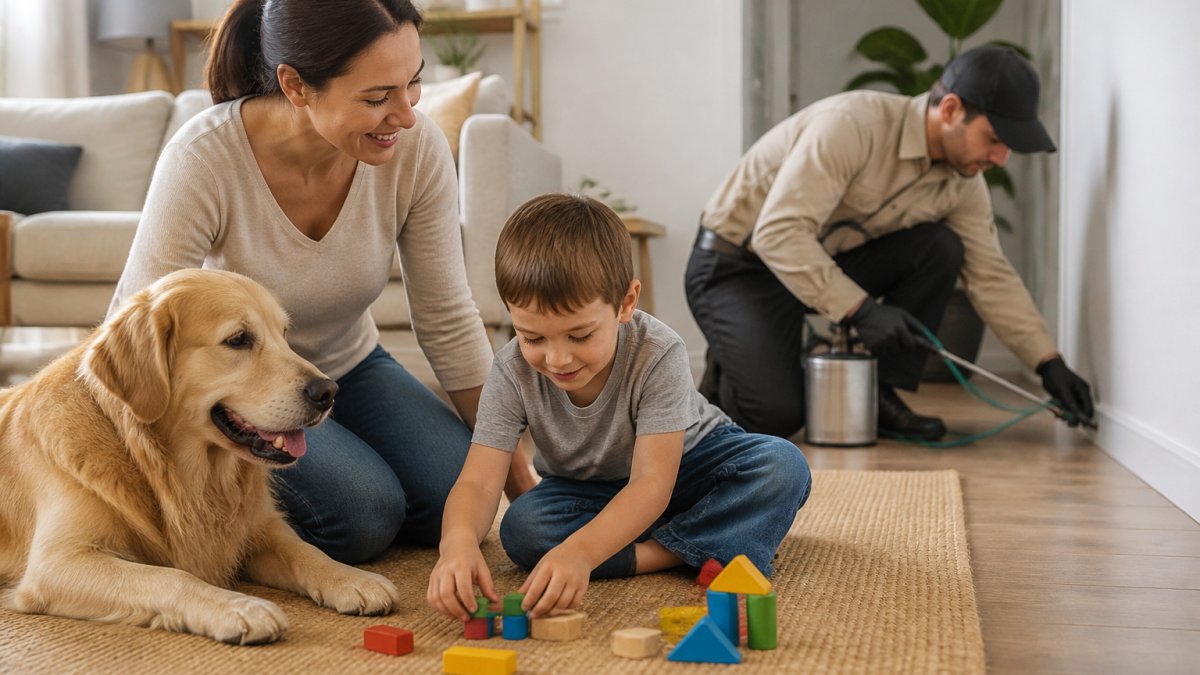
Watch out: applying any product, natural or synthetic, without reading the label's re-entry instructions is the most common safety mistake we see. For a deeper look at products and practices built around toddlers and dogs, read our guide to pest control safe for toddlers and dogs.
How to Keep Ants Out of a Kitchen Without Spraying
You can clear an ant trail without spraying by removing the food source and sealing the entry. Ants follow scent trails, so the fix is bait plus exclusion, not a surface spray.
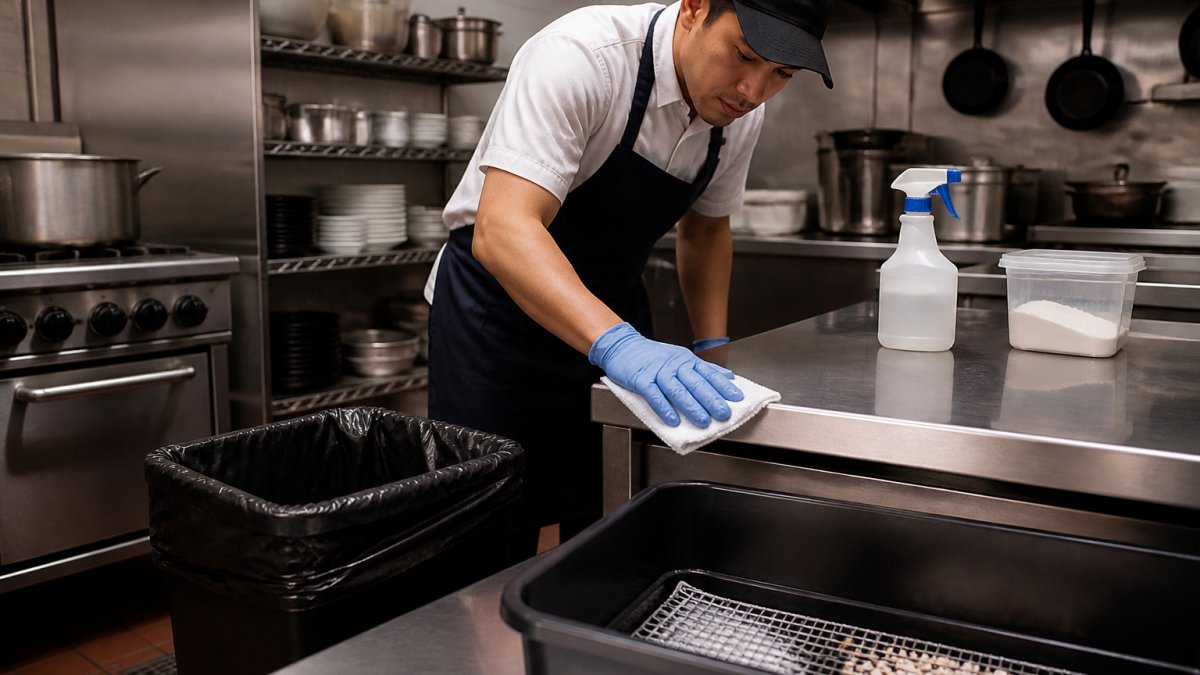
- Wipe counters with vinegar to break the trail
- Store food in sealed containers
- Caulk cracks and gaps along baseboards
- Place bait stations near trails, not on food surfaces
Bait works because foraging ants carry it back to the colony. Expect repeat treatment over one to two weeks before the trail stops.
Total Cost, Resistance, and Treatment Failure
Initial treatment. Eco-friendly products often carry a lower per-application product cost but may require more frequent applications, while chemical treatments may involve fewer visits at a higher per-visit price, according to Home Paramount's comparison of organic and chemical pest control.
Repeat visits. The honest comparison is cost per resolved infestation, not cost per spray.
Prevention. Exclusion work, door sweeps, caulk, vent screens, moisture fixes, is a one-time cost that reduces future treatment frequency under either method.
Repair. Termite damage, rodent-chewed wiring, and bed bug replacement of mattresses and soft goods can dwarf years of treatment cost.
For readers weighing recurring-service pricing, our breakdown of pest control service options every other month can help you understand what to expect.
Why Treatments Fail
Treatment failure is usually an application or biology problem, not a product-category problem. The common causes:
- Misidentification. Treating ants with a repellent spray can split a colony into multiple sub-colonies, making the problem worse. Correct species ID determines bait type and placement.
- Incorrect application. Bait placed on a cleaned surface, spray applied where pests do not travel, or missed crack-and-crevice zones all produce failures that look like product failures.
- Life-stage timing. Eggs and pupae survive treatments that kill adults, so a single application against fleas or bed bugs predictably fails. Repeat application timed to the life cycle is required.
- Reinfestation. Treating indoors without addressing the exterior source, entry points, harborage, moisture, guarantees the pest returns.
Resistance Management
Resistance develops when pests survive repeated exposure to the same active ingredient and pass that survival on. It is documented across many conventional insecticide classes and is a reason label directions specify rotation and application limits. Practical resistance management for homeowners:
- Rotate active ingredients rather than repeating the same product.
- Combine methods, mechanical exclusion, sanitation, and baiting, so no single pressure selects for resistant survivors.
- Avoid sub-lethal applications; under-dosing is a common driver of resistance.
- Follow label rate and frequency exactly; more is not better and can accelerate resistance.
Eco-friendly products are not immune to these dynamics. Botanical actives can also select for tolerance with repeated use, and incorrect application produces the same failure patterns. The durable strategy is IPM: identify, exclude, treat at the right rate, monitor, and rotate.
Choosing Your Treatment Plan with NS Pest Solutions
Our recommendation: use IPM as the frame, then let pest pressure decide how much chemical help you need. At NS Pest Solutions, we build every-other-month service plans around targeted interior and exterior treatments, family and pet friendly products, and a family-owned team that explains exactly what goes into your home.
Review our full range of services or contact us to request a quote and build a plan that fits your home.
Frequently Asked Questions
Is eco-friendly pest control as effective as chemical pest control?
For many common household pests, yes. Eco-friendly pest control combines targeted low-toxicity treatments, mechanical controls like traps and barriers, and prevention to manage infestations. The U.S. EPA describes integrated pest management as combining pest knowledge and control methods to manage damage safely and economically. Effectiveness depends on the pest and infestation severity: light to moderate problems respond well to eco-friendly methods, while heavy infestations may need a chemical option first. A professional assessment tells you which applies to your home.
Are eco-friendly pest control treatments safer for children and pets?
Eco-friendly treatments generally use lower-toxicity active ingredients, but natural does not automatically mean harmless. The University of California Agriculture and Natural Resources cautions that some organic pesticides can be as harmful as certain other pesticides to people, beneficial insects, or other organisms. Ask your provider exactly which products they use, where they apply them, and how long to wait before children and pets return to treated areas. Proper application and re-entry guidance matter as much as the product itself.
How long does eco-friendly pest control take to work?
Eco-friendly treatments often act more slowly than chemical treatments. Eco-friendly treatments often require more frequent applications compared to chemical pest control, which may involve fewer applications. Expect repeat visits and a prevention plan rather than a single knockout application. For ants, spiders, and similar household pests, most eco-friendly programs show clear improvement within a few weeks of consistent service. Severe infestations can take longer, and your provider should set realistic expectations up front.
What is the difference between natural and chemical pest control?
Natural pest control relies on plant-based products, essential oils, botanical extracts, biopesticides, biological controls, traps, and barriers. Chemical pest control uses conventional synthetic active ingredients, often with longer residual effect and faster knockdown. A 2024 review in Agronomy covers ongoing research into alternative pest-control strategies, and the USDA Agricultural Research Service notes that microbial control can reduce chemical pesticide use and lower environmental impacts. In practice, many homes do best with a combined approach rather than a strict either-or choice.
The hardest part of pest control is knowing when a green treatment is enough and when it isn't. NS Pest Solutions takes that guesswork off your plate with eco-friendly pest management, every-other-month service plans, and targeted interior and exterior treatments backed by a family-owned team. Get started with NS Pest Solutions and keep your home protected without sacrificing safety.