 how-to
Why Do Ants Keep Coming Back? A Homeowner's Guide
Last Updated: October 28, 2026
Quick Summary
Ants keep coming back because the nest was never removed. Most store-bought sprays kill only the visible workers and leave the queen laying eggs, so a new trail appears within days. To stop ants keep coming back, treat the colony with slow-acting bait instead of chasing workers.
- Contact sprays kill workers on touch, but the queen stays protected deep in the nest and keeps producing new workers.
- Place bait stations within a few inches of an active trail, often 4 to 8 stations for a typical kitchen infestation.
- Ant bait usually takes several days to a couple of weeks to show results, and more ants at first is normal.
- A 1/16-inch gap is enough for many household ants, so seal entry points after treating the colony.
- Call a professional when ants keep returning after two rounds of baiting or when you suspect carpenter ants.
Table of Contents
- Why Ants Keep Coming Back: The Colony Is Still There
- Why Ants Keep Coming Back After Treatment
- How to Find an Ant Nest Indoors
- The Best Ant Bait for Indoors: What to Look For
- How Long Does Ant Bait Take to Work?
- Species Matter: Carpenter Ants and Other Common Ants
- Sealing Entry Points and Removing What Attracts Ants
- When to Call NS Pest Solutions for Recurring Ants
- Frequently Asked Questions
Why Ants Keep Coming Back: The Colony Is Still There
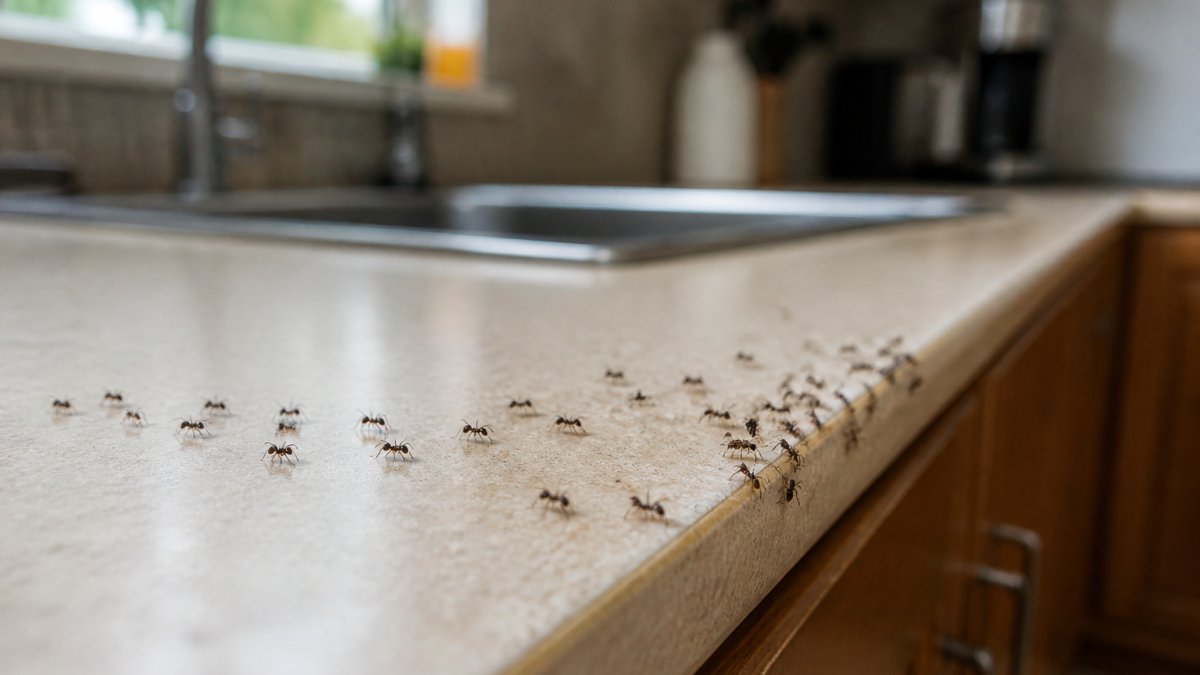
If ants keep coming back to your kitchen, the nest was never removed. Most store-bought sprays kill the ants you can see and leave the colony untouched.
Ant trails are pheromone highways. Foraging workers leave a chemical scent that tells the rest of the colony where food is.
A 2026 industry report from PCT's State of the Ant Control Market survey found that pest professionals are seeing more nuisance ants, fire ants, and odorous house ants than in past years.
Why Ants Keep Coming Back After Treatment
Ants keep coming back after treatment because most treatments target workers, not the nest. A single ant colony can hold thousands of ants, and the ones you see are a small share of the total. The colony sits hidden in a wall void, under a slab, or in damp soil outside.
Contact Sprays Kill Workers, Not the Queen
Contact sprays kill on touch. That sounds effective until you remember what you're killing. You're killing the ants that carry food back to the queen.
So the trail returns. Often within a week or two.
A common mistake is spraying the same shelf or baseboard over and over. That wipes out the trail and scatters the colony, which can split into new nests.
Pheromone Trails and Food Sources That Pull Them In
Ants follow a pheromone trail, a scent path left by foraging workers. Once a scout finds crumbs or a sugary spill, the whole colony knows the route.
Remove the food and the trail fades. Leave it and the ants keep coming.
Watch for these common food sources:
- Crumbs under appliances and in drawers
- Sugary foods, honey, syrup, and open juice
- Pet food bowls left out overnight
How to Find an Ant Nest Indoors
Finding an ant nest indoors starts with watching the trail. Follow foraging workers backward from the food source. They will lead you to an entry point or a nesting site.
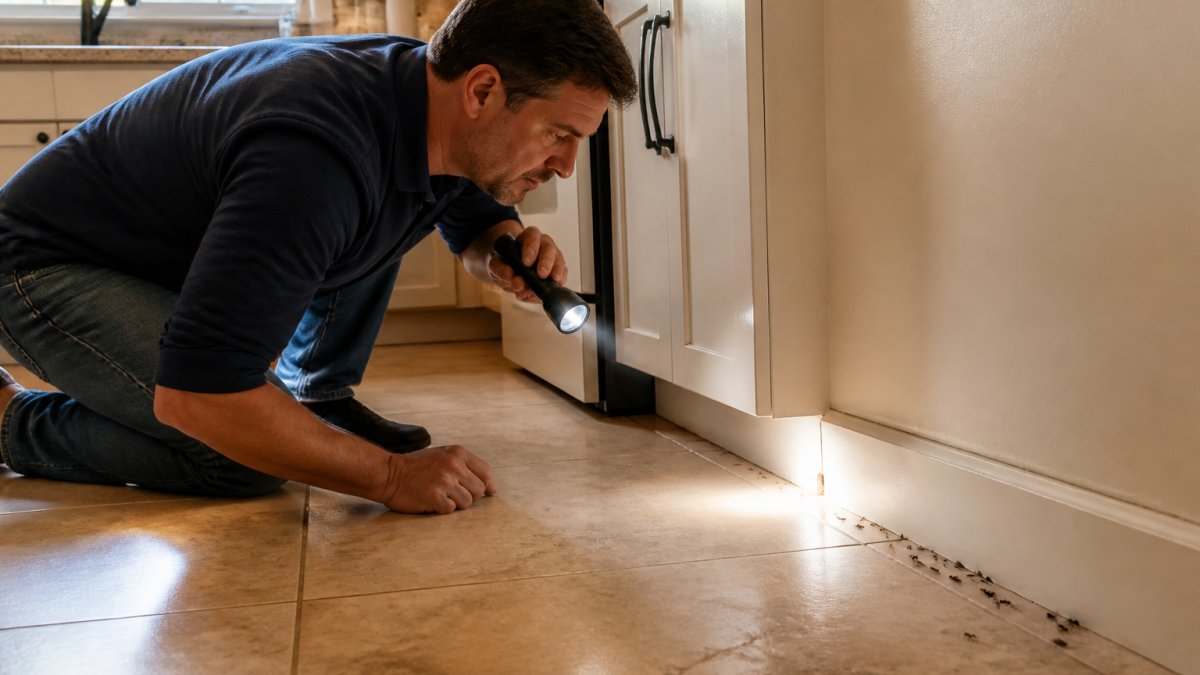
Nesting sites indoors often sit in walls, behind cabinets, or under floors. Outdoors, look in soil, mulch, and under pavers.
The Best Ant Bait for Indoors: What to Look For
The best ant bait for indoors is a slow-acting bait that foraging workers carry back to the colony and share with the queen and brood. Fast-kill baits defeat the purpose: they kill the forager before she can pass the toxic food along, and the colony never gets a lethal dose. You want workers to survive long enough to deliver it.
Match the Bait to What the Ants Are Eating Right Now
Ants switch food preferences through the season and even week to week. A colony raising brood often wants protein; a colony with sugar-hungry workers wants sweets. The practical test is simple: put a tiny dab of something sugary (honey or jelly) and a tiny dab of something protein-rich (canned tuna or peanut butter) on two separate pieces of foil near an active trail.
- Sugar-based baits (sucrose, glucose, or honeydew mimics) work well for odorous house ants, Argentine ants, and ghost ants on indoor trails.
- Protein-based baits (oil, peanut butter, or insect-protein blends) often work better for fire ants, carpenter ants, and colonies actively raising brood.
- Dual-choice baits combine both and are a reasonable default when you cannot watch a preference test.
Choose the Right Form and Station
- Liquid baits in sealed stations are fast to deploy and easy to monitor, but they evaporate and need refreshing.
- Gel baits work in cracks and along baseboards but can dry out; apply in small dabs, not smears.
- Granular baits are for outdoor perimeter and mound use, not indoor kitchens.
Placement Rules That Decide Whether Baiting Works
- Place stations within a few inches of an active trail, not on top of it. Ants need to find the station naturally; burying the trail under a station disrupts the pheromone path.
- Use enough stations. A common mistake is one station for a whole kitchen. Place stations at every active trail and near suspected entry points, often 4-8 stations for a typical kitchen infestation.
- Do not spray, wipe, or clean near bait. Contact spray near a station kills the foragers you need, and cleaning removes the pheromone trail that leads workers to the bait.
- Leave the trail alone. Resist the urge to squash ants on the trail during treatment; you are removing the workers that carry bait back.
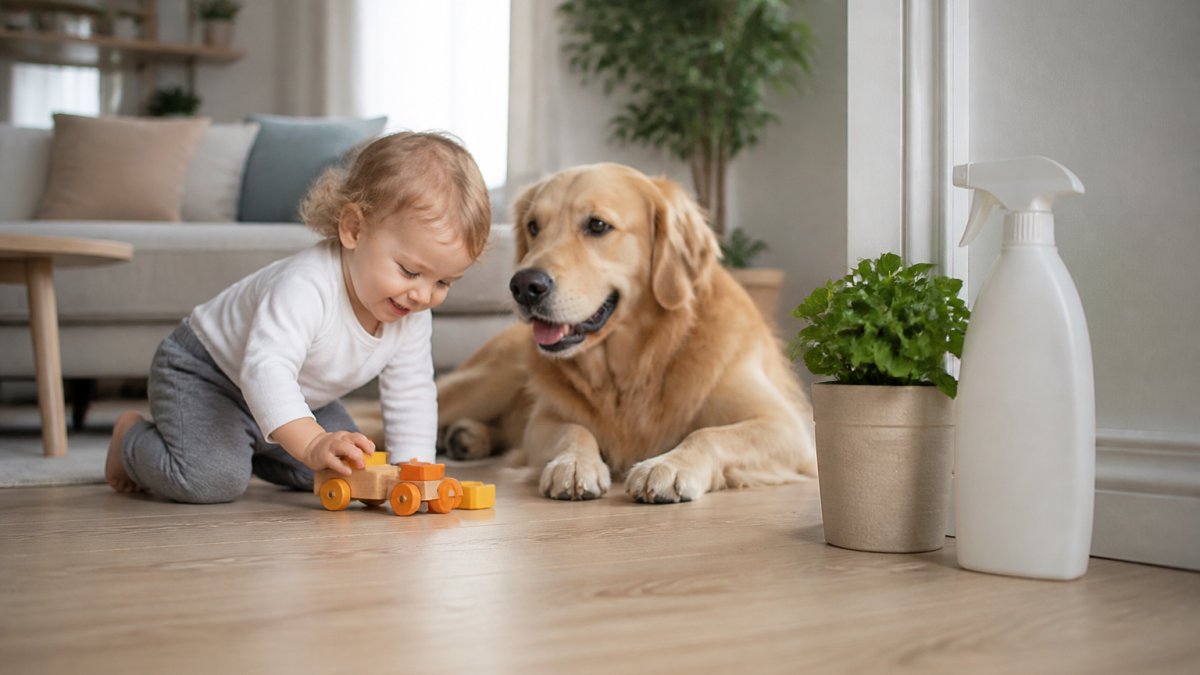
- Keep bait away from pet food, water bowls, and food-prep surfaces. Station placement should be out of reach of pets and children.
Why Spraying Near Bait Undermines Treatment
Contact sprays and baits work against each other. Spraying a baseboard near a bait station kills the foragers before they pick up bait, and it can also contaminate the station. If you have already sprayed, wait until the spray residue has dried and the trail has re-formed before placing bait.
If you want a deeper look at how bait and spray treatments differ, see our guide on bait versus spray approaches.
How Long Does Ant Bait Take to Work?
Ant bait usually takes several days to a couple of weeks to show results. The colony has to feed on the bait and share it before the population drops.
Don't panic when activity spikes. That means the bait is working.
Watch for these signs of progress:
- Trails thin out over several days
- Fewer ants at the food source
- Activity stops at one station, so you move it to the next trail
If nothing changes after two weeks, the bait may not match the species' food preference. Switch from sugar-based to protein-based, or the reverse.
Species Matter: Carpenter Ants and Other Common Ants
Different ant species need different treatment. Common household ants respond well to bait. Carpenter ants need a different plan because they damage wood.
Here's the difference:
| Species | What It Signals | Treatment Focus |
|---|---|---|
| Odorous house ants | Sugary food trails indoors | Sugar-based bait, seal entry points |
| Fire ants | Outdoor mounds, sting risk | Outdoor mound treatment, keep distance |
| Carpenter ants | Damp or damaged wood, sawdust | Find the nest, fix moisture, treat wood |
| Pharaoh ants | Multiple small nests indoors | Careful baiting, avoid sprays |
Carpenter ants are the one to watch. If you see large black ants indoors in spring, plus sawdust or hollow-sounding wood, that's a sign of a nest in the structure. Treating the workers alone won't fix it.
Sealing Entry Points and Removing What Attracts Ants
Prevention comes down to two jobs: seal the openings ants use and remove the food, water, and shelter that keep them coming back. The hard part is that most entry points are small, a 1/16-inch gap is enough for many household ants, so you need a systematic inspection, not a quick glance.
A Room-by-Room Inspection Checklist
Work from the inside out and follow any active trail to where it disappears. Then check these zones:
Kitchen and utility areas
- Gaps where countertops meet walls and backsplashes
- Around sink penetrations, dishwasher lines, and ice-maker lines
- Behind the refrigerator, stove, and dishwasher
Bathrooms and laundry
- Around pipe escutcheons under sinks
- Tub and shower surrounds
- Floor drains and supply lines
Exterior perimeter
- Foundation cracks and the sill plate where framing meets foundation
- Utility penetrations (gas, electric, water, HVAC lines)
- Weep holes in brick veneer
Outdoors
- Mulch beds against the foundation
- Soil-to-siding contact
- Under pavers, stepping stones, and landscape timbers
What to Seal With, and What Not to Seal
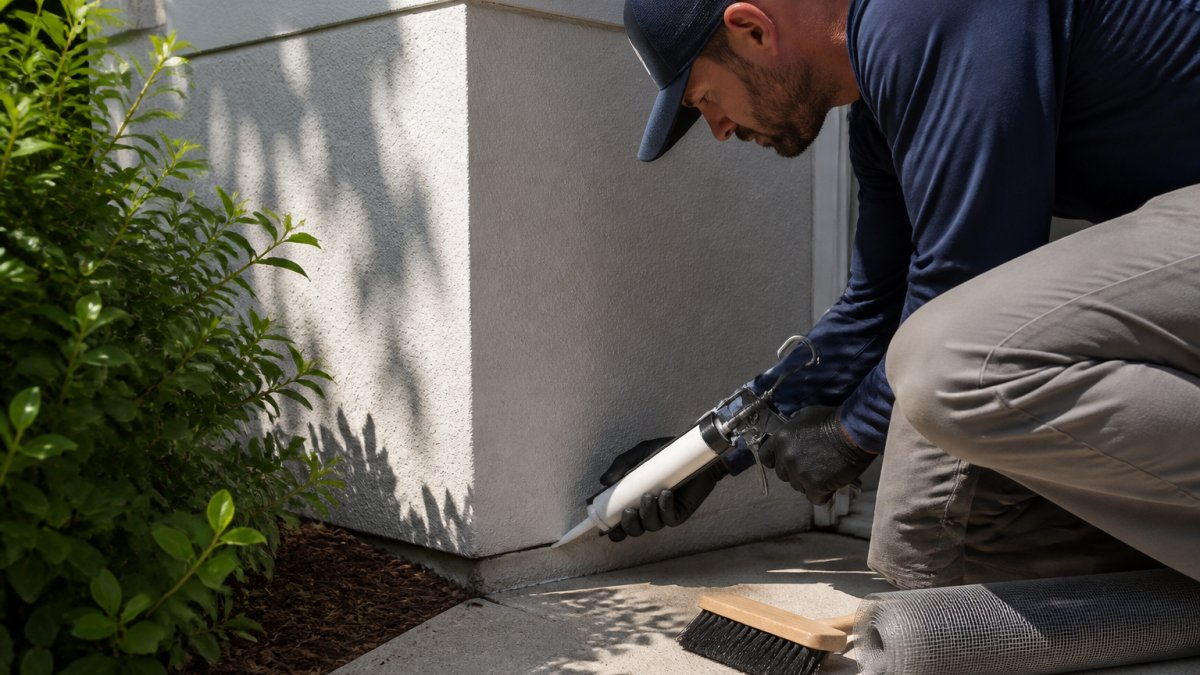
- Use a paintable exterior sealant for cracks in masonry and around window and door frames; use copper mesh or stainless-steel wool packed into larger gaps around pipes, then seal over it.
- Use door sweeps and weatherstripping for gaps under and around doors.
- Do not seal over an active ant trail without treating the colony first. Sealing ants inside a wall can push them to emerge elsewhere in the home.
Remove the Draws: Food, Water, and Shelter
Sealing alone will not stop ants if the food and water remain.
- Food: store cereal, sugar, flour, and pet food in sealed containers; wipe counters and sweep daily; rinse recyclables before storage; clean under appliances monthly.
- Water: fix dripping faucets and sweaty pipes; dry damp dishcloths and sponges; check for condensation under the refrigerator and around HVAC lines.
- Shelter: keep mulch at least 6-12 inches away from the foundation; trim vegetation back from the siding; store firewood off the ground and away from the house; remove leaf litter and debris from gutters and foundation beds.
Moisture and Weather
Ants relocate toward dry ground when soil stays saturated, and they move indoors when outdoor conditions turn too wet, too dry, or too cold. That is why activity often spikes after heavy rain or a cold snap. Keep gutters clear, direct downspouts away from the foundation, and correct grade so water drains away from the house. Fixing moisture also matters for carpenter ants, which nest in damp or damaged wood.
When Sealing Is Not Enough
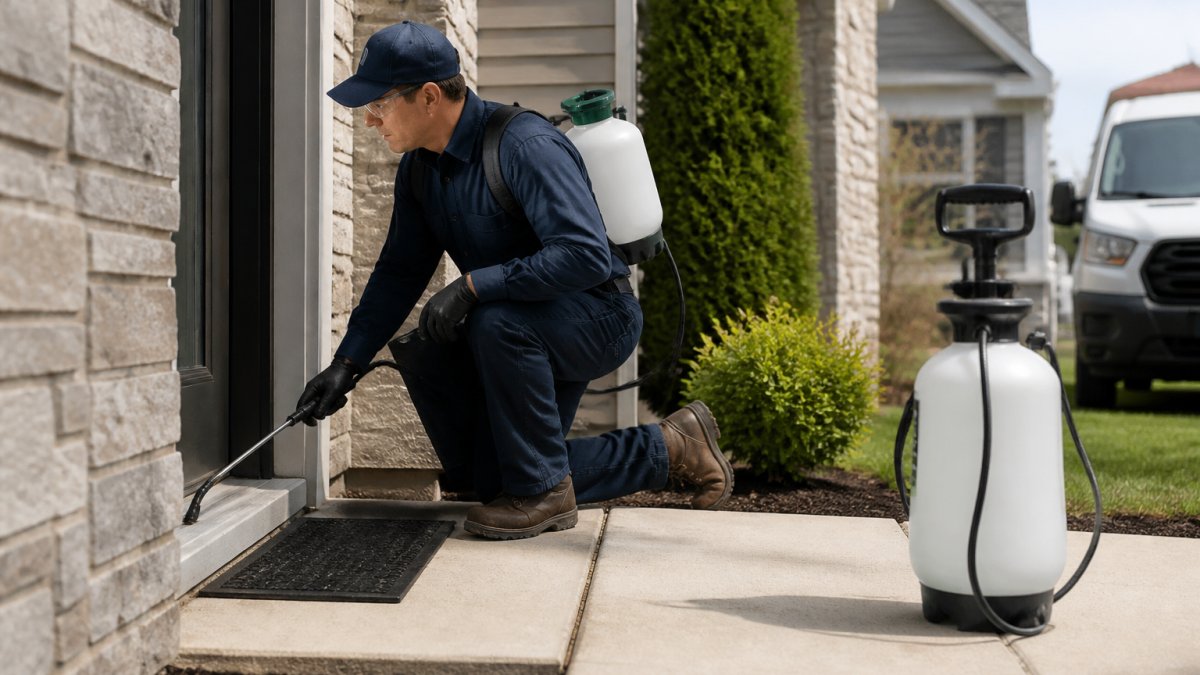
If you seal every gap you can find and ants still return, the colony is likely inside the structure, in a wall void, under a slab, or behind a cabinet. That is the point to stop sealing and start treating the colony, or call a professional. Our ant control services cover interior and exterior treatment, and our pest control FAQs explain how we locate hidden nests.
When to Call NS Pest Solutions for Recurring Ants
Call a professional when ants keep returning after two rounds of baiting, or when you suspect carpenter ants. Recurring trails can point to a colony inside a wall, and sometimes to moisture damage behind it.
Our approach focuses on targeted treatments and eco-friendly pest management. We're family owned and operated, and we offer every-other-month service plans.
You can review our ant control services or contact us to request a quote. If you're weighing ongoing service, our breakdown of recurring service pricing helps you plan before you commit.
Frequently Asked Questions
Why do ants come back after DIY treatment?
Most DIY treatments kill the ants you can see, but the colony survives. A 2026 industry report from PCT notes that professionals are seeing more nuisance ants, fire ants, and wood-destroying species, and NPMA survey respondents most often blamed increased moisture (27%) and changing pest-control practices (22%). When you spray visible workers, the queen keeps producing new ants and the pheromone trail stays intact. Bait works differently because foraging workers carry it back to the nest.
How can I find where ants are entering my home?
Follow the trail backward. Place a dab of bait or a small piece of food near the line and watch where the ants go. Check cracks in baseboards, gaps around pipes, window frames, and door thresholds. Ants often nest in wall voids, under floors, or in soil next to the foundation. Once you find the entry point, seal it with caulk or weatherstripping and treat the nest directly.
How long does it take for ant bait to work?
Most bait stations show reduced activity within three to seven days, but full colony elimination can take two to four weeks. Slow-acting baits are intentional: workers need time to carry the poison back and share it with the queen and larvae. Do not spray over bait or clean up the trail during this window. If activity has not dropped after four weeks, the bait may be the wrong type for the species.
When should I call a pest control professional for ants?
NS Pest Solutions offers targeted interior and exterior treatments and every-other-month plans.
Recurring ants are a colony problem, not a surface problem. Killing workers won't end it, and neither will spraying the same shelf every week. The fix is bait, patience, sealed entry points, and a plan that keeps working after the first treatment. Get started with NS Pest Solutions and keep ants from finding a way back in.