 blog
blog
Cockroach Exterminator: Costs, Bait vs Spray, and Results
Table of Contents
- What to Expect From a Cockroach Exterminator
- Roach Extermination Cost: What Drives the Price
- Cockroach Bait vs Spray: Which Treatment Works Better
- Cockroach Treatment Preparation: What to Do Before the Visit
- How Long Does Cockroach Treatment Take to Work?
- How to Choose a Local Cockroach Exterminator
- Frequently Asked Questions
Last Updated: October 15, 2026
What to Expect From a Cockroach Exterminator
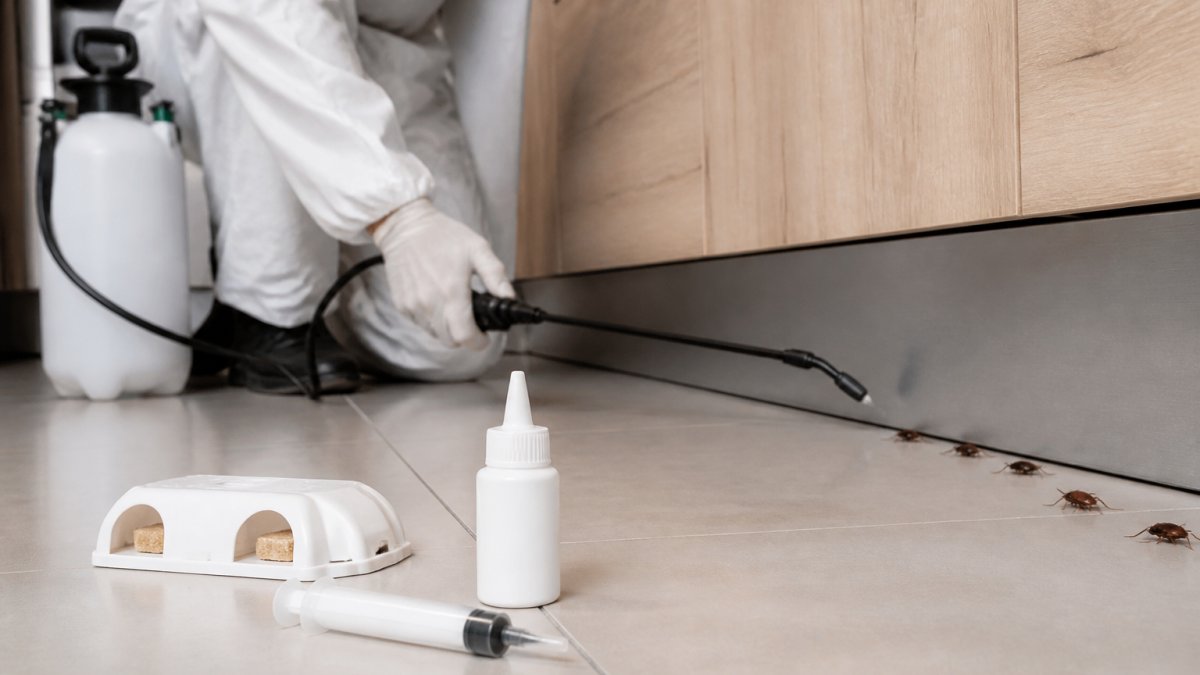
A cockroach exterminator is a licensed pest control professional who identifies roach species, locates harborage areas, and applies targeted treatments to eliminate an active infestation.
The technician inspects first. Roaches hide in cracks, behind appliances, and inside wall voids, so a proper inspection maps out where the infestation actually lives before any product goes down.
Many reputable providers offer a free estimate, and some arrange same-day service for urgent problems. Expect the initial call to take one to two hours in a typical home, longer for commercial kitchens or heavy infestations.
Roach Extermination Cost: What Drives the Price
Roach extermination cost depends on infestation severity, property size, treatment method, and whether you choose one-time or recurring service. There is no single flat rate, and any provider quoting a firm number before seeing your property is guessing. Understand the ranges and line items so you can evaluate a quote instead of just accepting it.
Typical Price Ranges
Treat those as orientation, not gospel. A studio apartment with roaches in one cabinet and a 3,000-square-foot home with activity in the kitchen, both bathrooms, and a laundry room are not the same job, and no honest provider prices them the same.
What Actually Moves the Number
Several variables push a quote up or down:
- Infestation severity - A few roaches in one kitchen costs far less than a whole-home infestation with multiple harborage sites. Severity also drives how many visits are needed, the single biggest cost lever.
- Property size and layout - Square footage, rooms, and accessibility affect labor time. A cluttered home takes longer to treat than an empty one of the same size.
- Species - German cockroaches, which breed fast and cluster in kitchens and bathrooms, usually require a more intensive baiting and growth-regulator program than larger outdoor species that wander in.
- Treatment type - Gel bait and growth regulators cost more upfront than basic spray but reduce callbacks, so the cheaper first invoice is not always the cheaper job.
- Commercial vs. residential - Commercial work involves larger areas, stricter compliance, and after-hours scheduling.
- Follow-up visits - Some providers bundle a re-treatment window into the price; others charge per visit. Two identical-looking quotes can differ by hundreds of dollars here.
| Cost Factor | Low End | High End | Why It Matters |
|---|---|---|---|
| Infestation severity | Light, single room | Heavy, whole home | More harborage means more labor and product |
| Property type | Small apartment | Commercial kitchen | Size, equipment, and compliance raise cost |
| Treatment method | Basic spray | Bait + growth regulator | Integrated methods cost more but last longer |
| Follow-up included | No | Yes, 30-90 days | Bundled re-treatment protects your wallet |
What a Quote Should Tell You
Because pricing varies this much, a responsible provider will not publish a flat rate for your address. For current prices or a quote, please visit our website. What it should tell you is what is included. Ask before you book:
- How many visits does this price cover, and what triggers an extra charge?
- Which products will be used, and are growth regulators part of the plan?
- What is the re-treatment window, and is a callback free within it?
- Is the price for the whole job or per visit?
- Are there separate charges for commercial accounts, after-hours work, or documentation?
Those questions separate a real treatment program from a one-off spray. A provider who cannot answer them clearly is giving you a number, not a price.
Cockroach Bait vs Spray: Which Treatment Works Better
Bait wins for most indoor infestations, and spray works best as a barrier and cleanup tool alongside it. That explains why so many DIY spray-only attempts fail.
Gel bait works because roaches eat it and carry the active ingredient back to the harborage, where it spreads through the colony. It targets the source. Residual spray kills roaches crossing treated surfaces, handling the visible population but rarely reaching deep into wall voids. Used alone, spray often leaves the nest intact, and roaches return within weeks.
How Pros Combine Baits and Sprays
Professional treatment rarely picks one method. A typical cockroach control plan layers:
- Gel bait applied in cracks, hinges, and behind appliances
- Insect growth regulator to break the breeding cycle
- Residual spray along baseboards, plumbing penetrations, and exterior entry points
- Monitoring stations to track activity between visits
This layered approach is a core part of integrated pest management, which the EPA's pest control guidance describes as combining methods to reduce both pests and pesticide exposure.
Cockroach Treatment Preparation: What to Do Before the Visit
Cockroach treatment preparation is simple: clear access, clean surfaces, and secure food and pets. Doing it properly makes treatment more effective and reduces follow-up visits.
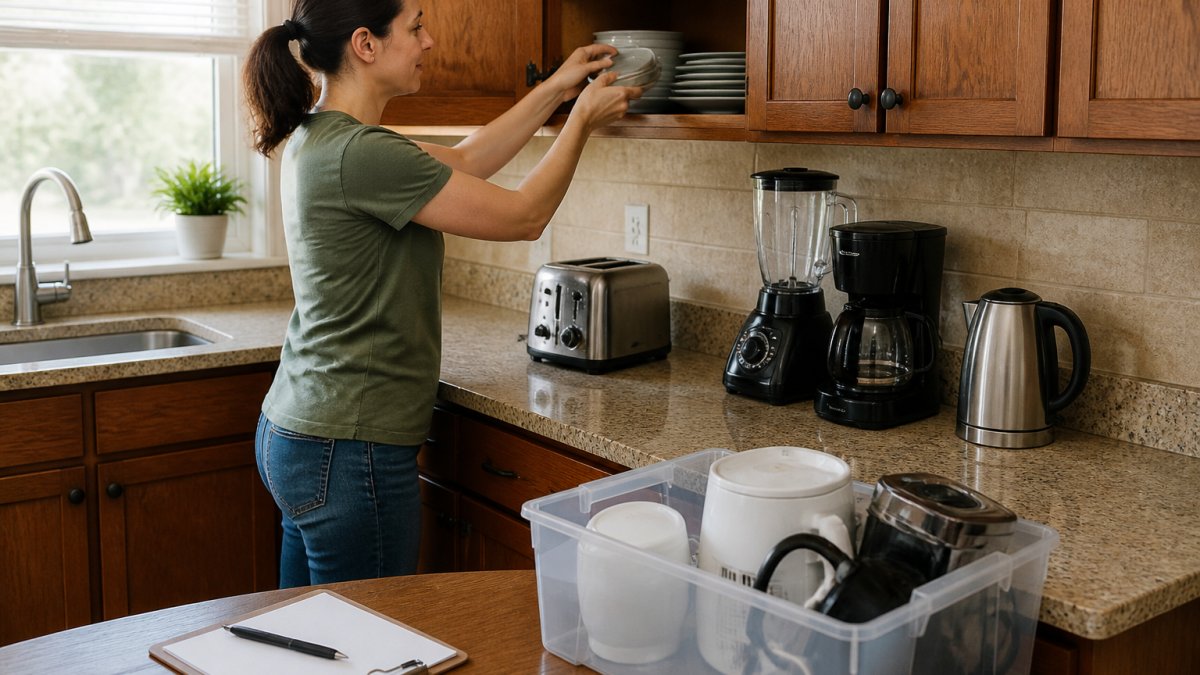
Here's a practical checklist to run through the day before your service call:
- Clear counters and floors so the technician can reach baseboards and appliance edges
- Pull small appliances away from walls where possible
- Store food in sealed containers and empty trash bins
- Fix any leaking pipes or standing water, since roaches need moisture
- Cover or remove pet food and water bowls during treatment
- Plan to leave the home during application if sprays are used, and follow the re-entry time your provider gives you
- Ask what products will be used, especially if you have young children, pets, or respiratory concerns
That last point matters. Anyone with a toddler or dog should feel comfortable asking exactly what's going on the floors and baseboards. A provider who explains products clearly is worth keeping.
How Long Does Cockroach Treatment Take to Work?
How long does cockroach treatment take? Most people see a sharp drop in roach activity within one to two weeks, with full control typically reached in three to four weeks after a properly executed program. That is an average, and the range around it is wide enough to be worth understanding.
What Drives the Timeline
- Species. German cockroaches breed fast and build large populations in wall voids and appliance motors, so they take longer to knock down than a few large outdoor roaches. A German infestation usually needs baiting plus a growth regulator to break the breeding cycle, which takes weeks to unwind.
- Severity. A light, localized infestation can be largely resolved in a week or two. A heavy, established infestation with multiple harborage sites typically needs the full three-to-four-week window and at least one follow-up.
- Building type. In a single-family home, the source is usually inside your walls. In an apartment or multi-unit building, roaches move between units and the source may sit beyond your walls, so multi-unit treatments take longer and treating one unit rarely solves the problem.
- Method. Baits take a few days to circulate through a colony. Growth regulators stop new eggs from hatching, so the population keeps shrinking after the initial kill. Spray-only treatment may drop the visible count fast and then rebound.
What You Should See, Week by Week
A common pattern looks like this:
- Days 1-3: Activity may briefly increase as roaches move away from treated harborage. This is normal and not a sign of failure.
- Week 1: A noticeable drop in sightings, especially in kitchens and bathrooms.
- Week 2: Most visible activity gone in a light infestation. In a heavy one, you may still see stragglers near harborage.
- Weeks 3-4: Full control in most properly treated homes. Growth regulators continue suppressing new hatch-outs.
- Beyond 4 weeks: If you are still seeing regular activity, the source was not fully reached, or roaches are re-entering from an adjacent unit.
Follow-Up, Monitoring, and Guarantees
This is where providers separate themselves, so read the fine print before you sign.
- Follow-up visits. A good program includes at least one follow-up, often at two weeks, to check monitoring stations and re-treat hot spots. Ask whether it is included or billed separately.
- Monitoring. Sticky traps in harborage areas tell the technician whether the population is actually declining, not just whether you see roaches. Ask if monitoring is included.
- Guarantees and warranties. Many providers offer a re-treatment window. Read what it covers: a free callback if roaches return, or only a discount on the next service? A guarantee that requires you to pay again is not a guarantee.
- Recurring infestations. If roaches keep coming back after a properly executed program, the likely causes are an untreated adjacent unit, a missed harborage, or a moisture and sanitation issue. A provider who investigates those causes is solving the problem; one who just sprays again is selling you visits.
If you still see roaches two weeks after treatment, call your provider; a single follow-up usually resolves it. If a company will not return within its stated re-treatment window, the guarantee was marketing, not a commitment.
How to Choose a Local Cockroach Exterminator
Choosing a local cockroach exterminator comes down to licensing, treatment approach, follow-up terms, and reviews. Skip any provider who can't answer clearly on all four.
Start with credentials. Every state licenses pest control operators, and you can verify a license through your state's regulatory database before booking.
Customer reviews tell you what the sales pitch won't.
For recurring protection, many families choose an every-other-month service plan, which keeps pressure on pests year-round instead of reacting to each new infestation. That's the model at NS Pest Solutions, with eco-friendly treatments designed to be safe around children and pets.
Roaches rarely disappear after a single spray, and companies that promise otherwise tend to disappoint.
Frequently Asked Questions
How much does a cockroach exterminator cost?
Costs depend on infestation size, treatment method, and whether you choose a one-time visit or a recurring plan. Many providers offer a free estimate before any work begins, so you can compare quotes. Ask what the price includes: follow-up visits, bait stations, and a guarantee all affect the total. Request a written estimate from each provider and confirm whether the fee covers a return trip if roaches come back.
Do cockroach exterminators use bait or spray?
Most use both. Gel bait and bait stations target roaches where they hide, while residual sprays create a barrier along baseboards and entry points. Baits are often preferred in kitchens and near food because they are applied in cracks and voids, not on open surfaces. A professional will decide the mix based on the species, the severity of the infestation, and the layout of your home.
How long does cockroach treatment take to work?
You may see fewer roaches within a few days, but full control usually takes two to four weeks. Baits work slowly by design so roaches carry the material back to the colony. A follow-up visit is common at two to four weeks to check bait stations and treat any remaining activity. If you still see roaches after that, call the provider; most reputable companies include a re-treatment window in their service agreement.
Is it safe to stay home after cockroach treatment?
For most bait and residual spray treatments, you can return once the product has dried, often within a few hours. The technician will tell you exactly how long to wait. If you have young children, pets, or respiratory concerns, ask about eco-friendly options and request a written list of products used. Ventilate the treated area and follow any instructions the provider gives you, including when to wash counters or floors.