 how-to
How Often Should Pest Control Be Done?
Last Updated: October 30, 2026
Quick Summary
Most pest control pros recommend service every two to three months for routine home protection, with quarterly visits as the common baseline. Serious infestations may need monthly treatment until the problem is under control. There is no universal calendar, because frequency follows pest pressure.
- Monthly pest control service generally makes sense for active infestations rather than routine maintenance.
- Every-other-month plans mean six visits per year, sitting between quarterly and monthly service.
- Bed bugs may need treatment every two weeks until clear, then monitoring.
- Mosquitoes and fleas typically need monthly service during peak season.
- Ask for the product label and re-entry interval in writing before signing any agreement.
Table of Contents
- The Short Answer: How Often Should Pest Control Be Done?
- How Long Does Pest Control Last?
- Monthly Pest Control Service: When It Makes Sense
- Quarterly Pest Control Service and Every-Other-Month Plans
- What Factors Change Your Pest Control Schedule?
- What Your Pest Control Service Agreement Should Cover
- Choosing the Right Schedule for Your Home
- Frequently Asked Questions
The Short Answer: How Often Should Pest Control Be Done?
Most pest control pros recommend service every two to three months for routine home protection. Quarterly visits are the common baseline, but serious infestations may need monthly treatment until the problem is under control.
That's the short version. The longer answer depends on your home, your pests, and your risk tolerance. A 2026 industry overview counted more than 31,000 pest-control businesses and 167,232 specialists in operation (ConsumerAffairs pest control industry overview), which means you have plenty of options. The schedule matters more than the company name.
At NS Pest Solutions, we tell customers the same thing: there is no universal calendar. Frequency follows pest pressure, not a marketing brochure.
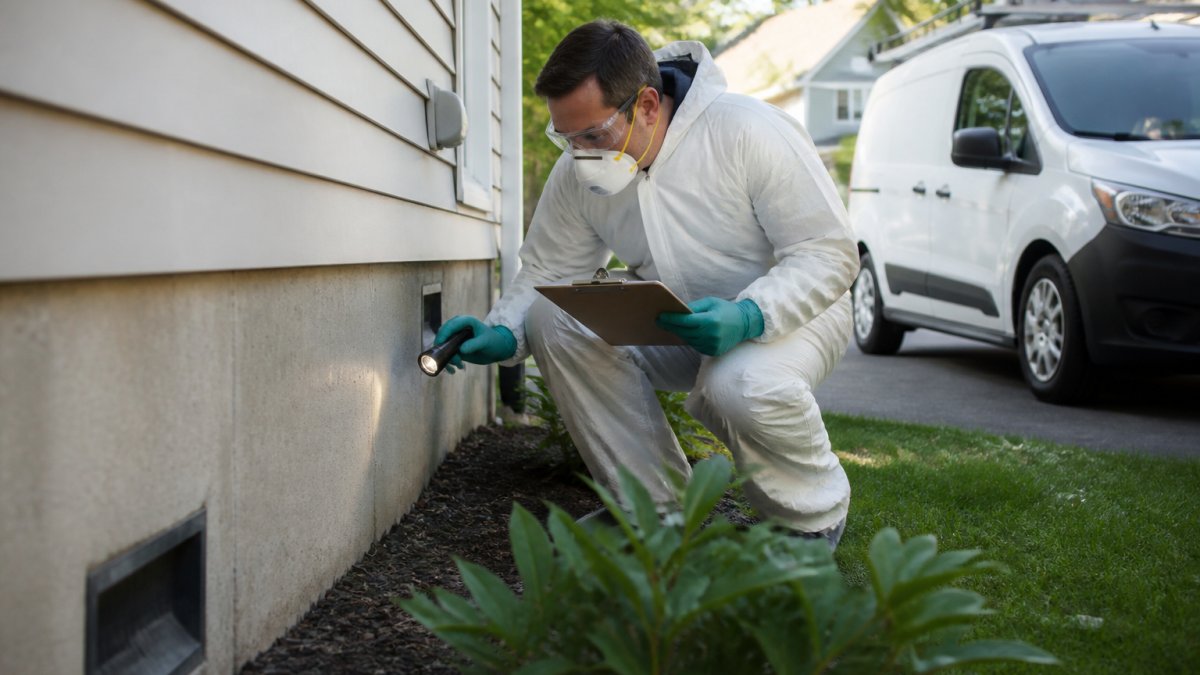
How Long Does Pest Control Last?
How long a treatment lasts depends on the product used and the conditions around it, so ask your provider for the expected duration of the specific products they apply.
How long pest control lasts depends on three things:
- The active ingredient and how it breaks down
- Weather exposure on exterior surfaces
- The pest life cycle you're trying to interrupt
This is why a "one and done" visit rarely holds. Pests keep hatching. Your protection has to outlast the cycle. The EPA's guidance on pest control and pesticide safety stresses prevention first and correct application second, which is exactly why timing beats volume.
Monthly Pest Control Service: When It Makes Sense
Monthly pest control service generally makes sense for active infestations rather than routine maintenance, so ask your provider whether your situation calls for it.
Smithereen Pest Management Services reports its usual interval is every two to three months, but serious cases may require monthly treatment (CBS News reporting on pest control frequency). That matches what we see in the field.
Watch out: signing a monthly contract for a mild perimeter problem means paying for visits you don't need. Ask for a written reason before you commit.
Weighing recurring plans against a single visit? Compare alternatives to one-time commercial pest control treatment before you decide.
Quarterly Pest Control Service and Every-Other-Month Plans
Quarterly visits are a common maintenance schedule for many homes, though the right frequency depends on your pests and conditions.
Every-other-month plans sit between quarterly and monthly service. NS Pest Solutions offers every-other-month service plans, and you can request a quote to see how one would fit your property.
Here's how the schedules stack up:
| Schedule | Visits per Year | Best For | Watch Out For |
|---|---|---|---|
| Monthly | 12 | Active infestation, severe pressure | Higher annual cost |
| Every other month | 6 | Year-round prevention, humid climates | Less frequent monitoring |
| Quarterly | 4 | Mild pressure, budget focus | Gaps in peak season |
| One-time | 1 | Isolated problem | No ongoing barrier |
If you want to see what every-other-month plans actually run, check our pest control service cost every other month breakdown before you compare quotes.
What Factors Change Your Pest Control Schedule?
Several factors can change the right pest control schedule, including pest pressure, climate, home age, and surrounding land. The pest itself is often the biggest variable, so a general quarterly plan is only a starting point.
The pest-specific cadence most guides skip
Different pests require different intervals because their life cycles run on different clocks. Different pests can call for different service intervals. Here is how the cadence can change by threat:
| Pest | Typical Service Cadence | Why the Interval Changes |
|---|---|---|
| Ants and roaches | Every other month to quarterly | Fast reproduction; colonies rebound within weeks if the source isn't removed |
| Rodents | Monthly until clear, then quarterly | Mice and rats breed year-round indoors; exclusion work matters more than spraying |
| Termites | Annual inspection plus a labeled termiticide or bait program | Colonies are slow and hidden; monitoring stations and bait checks follow the product label, not a generic calendar |
| Bed bugs | Every two weeks until clear, then monitoring | Eggs hatch on a short cycle; a single visit rarely catches every life stage |
| Mosquitoes | Monthly during peak season | Adults live weeks, not months; barrier and larvicide treatments fade fast in heat and rain |
| Fleas and ticks | Monthly during peak season, especially with pets | Reinfestation comes from the yard and the pet, not just the house |
| Stinging insects | As-needed nest removal, then seasonal monitoring | A removed nest doesn't stop new queens from starting one nearby |
Some pests, such as termites or bed bugs, may need a dedicated program with its own inspection cadence rather than a general perimeter service. Ask any provider to name the specific product and interval for the pest you have.
Climate and regional pressure
Warm, humid conditions speed up pest life cycles, which is why homes in the South and along the coasts often run tighter schedules than homes in dry, cold regions. Nearby fields, water, or woods raise pressure regardless of climate. Home age and seals matter too: gaps and cracks invite entry, and older homes usually need more exclusion work and more frequent monitoring.
Pets, kids, and past infestations
Pets and young children push you toward safer, more targeted products, which often means more frequent, lower-toxicity visits rather than fewer heavy applications. A past infestation is the strongest signal of all: if a problem has returned once, the schedule that failed the first time will fail again.
The U.S. pest-control industry grew at a 1.7% compound annual rate from 2021 to 2026 (IBISWorld pest control industry data), partly because more homeowners now treat prevention as routine. The EPA's integrated pest management approach backs that up: use current information about pest life cycles and their environment rather than spraying on autopilot (EPA integrated pest management basics). That is the whole argument for pest-specific scheduling, the calendar should follow the biology, not the brochure.
What Your Pest Control Service Agreement Should Cover
A pest control service agreement should spell out visit frequency, treatment methods, products used, and what happens if pests return. Read it before you sign anything, and pay special attention to the safety terms, because that is where vague contracts cause the most trouble.
Look for these items:
- Visit count and timing per year
- Which pests are covered, and which are excluded
- Active ingredients and safety data (ask for the label and Safety Data Sheet)
- Re-entry interval after treatment
- Retreat policy if activity continues
- Cancellation terms and notice period
Re-entry and safety timelines: the part most contracts leave vague
Most guides say "wait until dry" and stop there. That is not enough if you have pets or young children. The label on the product is the legal authority, and the technician should tell you which product was used so you can read it. Common practice for re-entry timing includes:
Questions to ask before you sign
- Which specific products will you apply, and can I see the labels?
- What is the re-entry interval for each treatment area?
- Are the products labeled for use around pets and children?
- What is the retreat policy if activity continues, and is there a charge?
- How much notice do I get before each visit, and can I reschedule?
Vague contracts create disputes. Before signing, review this guide on how to choose safe, reliable extermination companies.
Choosing the Right Schedule for Your Home
Choosing the right schedule starts with one question: are you preventing pests or fighting them? Prevention runs on a lighter calendar. Fighting an active infestation needs tighter visits until activity stops.
Use this quick check:
- No current activity, mild climate: quarterly
- No current activity, humid or wooded area: every other month
- Live pests or droppings: monthly until clear, then step down
- Pets, young children, or eco-priority: targeted, low-toxicity products on a steady schedule
- Commercial space with customers: tighter monitoring and documentation
If you want quick answers on scheduling before committing, you can review our FAQs. When you're ready, see our services to find the option that fits your pest pressure.
Frequently Asked Questions
Should pest control be done monthly or quarterly?
Many homes do well on a quarterly or every-other-month schedule. Monthly pest control service is generally reserved for serious active infestations, such as heavy roach or rodent pressure. The right choice depends on your pest pressure, not a universal rule.
How long does pest control treatment last?
Treatment duration varies by product and pest, and conditions such as weather affect how long protection lasts. Ask your provider how long the specific active ingredient they use is expected to last in your climate.
What is the difference between pest control and extermination?
Pest control is ongoing management: prevention, monitoring, exclusion methods, and targeted treatment to keep pests from returning. Extermination is a one-time elimination of an active infestation. Many homeowners start with extermination for an urgent problem, then move to a pest control service agreement for preventive maintenance.
How do I know if my home needs more frequent service?
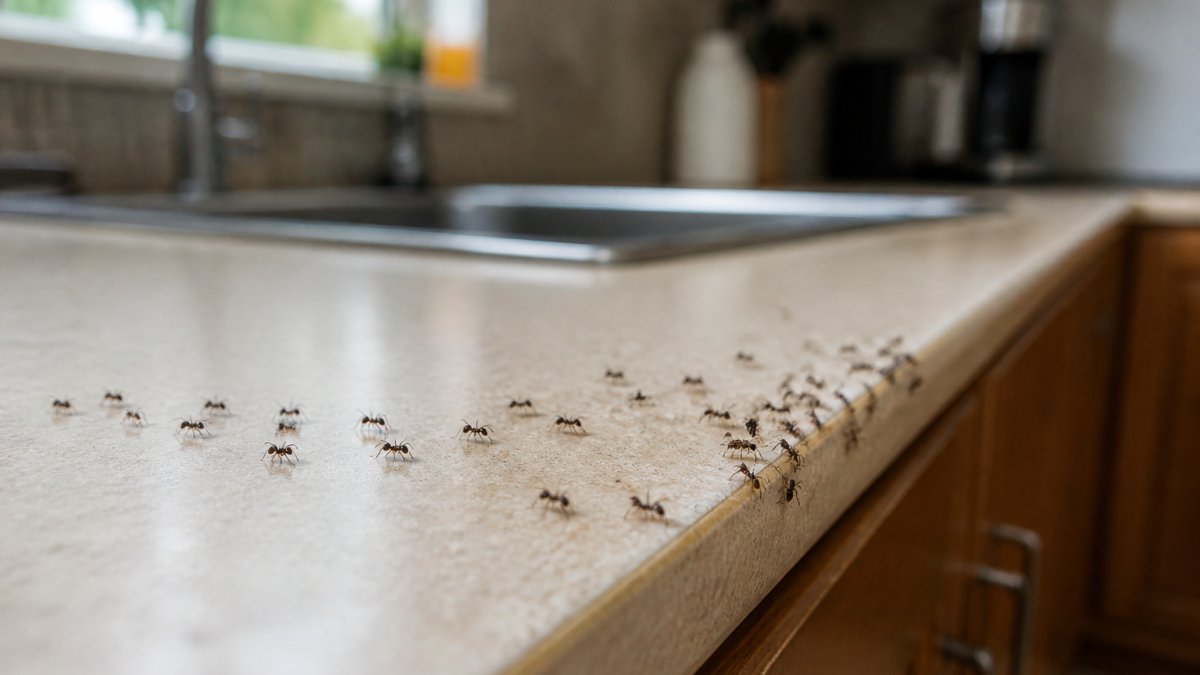
Watch for signs of an active infestation between visits: droppings, gnaw marks, live insects, shed skins, or new nests. Seasonal migration and warm, humid weather can raise pest pressure and shorten the gap between treatments. If you see activity within weeks of a visit, your schedule may be too light. A professional inspection can confirm whether you need monthly pest control service temporarily or a different treatment plan.
Pest control fails when the schedule is guessed instead of planned. NS Pest Solutions builds every-other-month and one-time plans around eco-friendly treatments that are family and pet friendly, with targeted interior and exterior applications from a family-owned team. Get started with NS Pest Solutions and put your home on a schedule that actually holds.